






You’re never alone
The intrusion by some companies into our daily lives has to be seen to be believed.
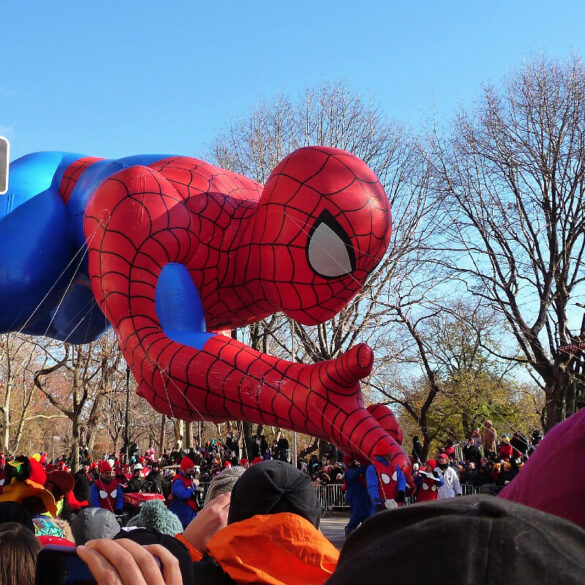
Latest invasion of privacy comes from BMW who had the brilliant (?) idea to run advertisements for the new Spiderman film on screens in late model BMWs.
Since July 27, drivers getting into newer BMWs have been greeted with a banner on the touchscreen saying “Surprise! Spider-Man just dropped into your BMW!”
The campaign is part of a partnership between BMW and Sony Pictures, but it has enraged some owners who called the scheme “insanely dystopian”.
The move marks a significant shift from the car company’s previous claims that it would not allow its dashboards to be sold as advertising space.
It’s another incredible move from the company that sells cars with software already installed, but that owners can’t access without paying a subscription.
EVs… where are they going?
With the recent rise in fuel prices attributable to the Iran war, sales of EVs in Australia have rocketed.
In June BEVs (battery electric vehicles) accounted for more than 23 per cent of all new vehicle sales and if we focus purely on new passenger car sales, the figure is a scarcely credible 35.8 per cent.
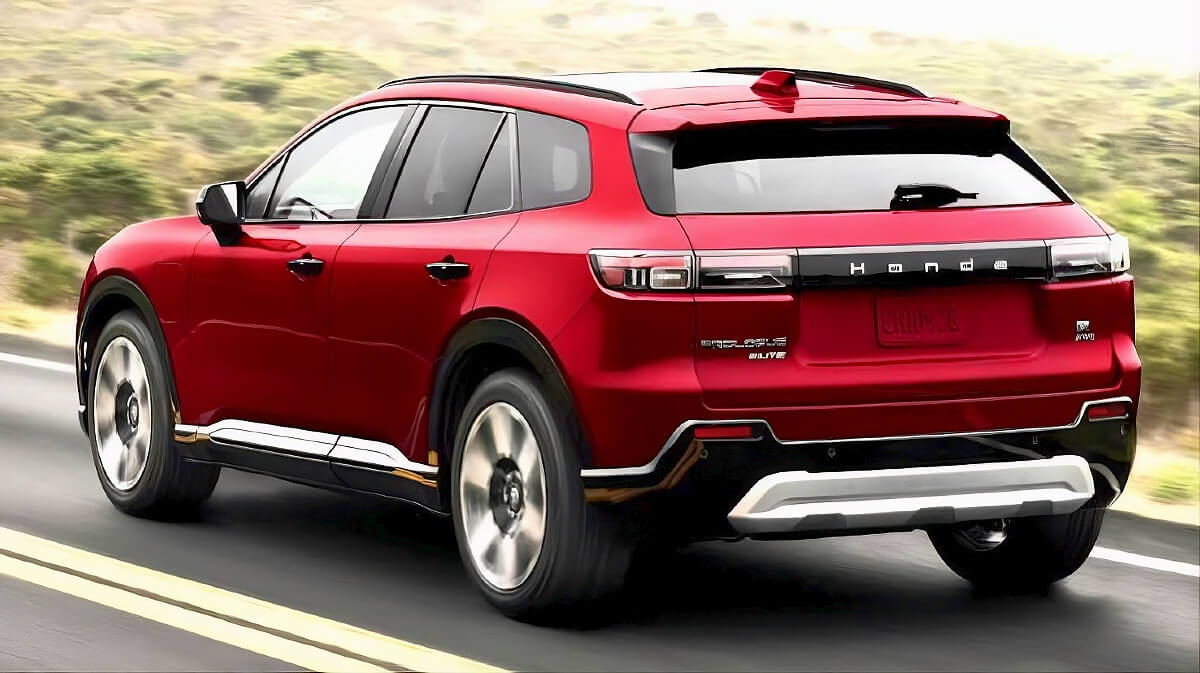
You’d think the future of EVs is assured, but Honda thinks differently and has announced it will end production of the one electric vehicle it sells in the US.
Last year, the US ended the federal EV tax credit program and abolished the stringent fuel-economy rules that were driving the push to electric vehicles.
EV sales in the US fell 30 per cent in June (year-on-year).
Carmakers in the US, including Volkswagen, Stellantis and Ford are backing away from their earlier aggressive moves to increase EV production.
Honda, like many rivals, is instead focusing on hybrid vehicles for the US market.
You can read more here.
What will it take to get the message across?
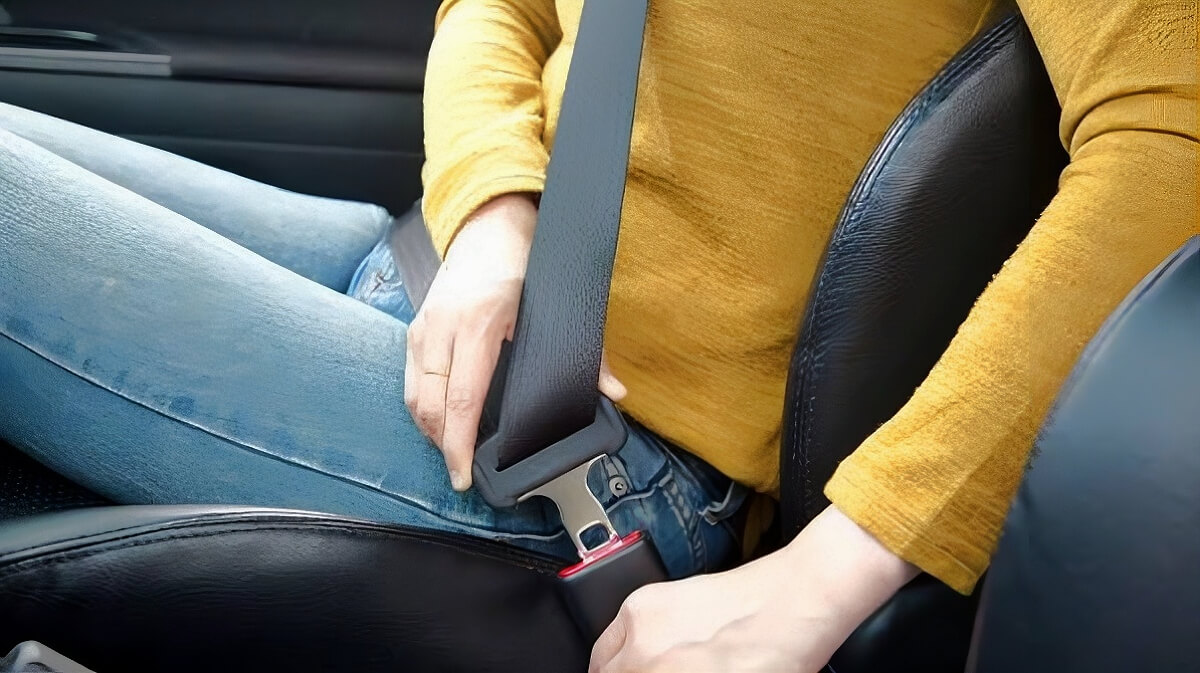
I read the other day that a quite incredible 40 per cent of fatalities on South Australian roads to date this year have been people who weren’t wearing seatbelts.
Some may suggest that it’s natural selection at work (do we really need people too stupid to wear seat belts polluting the gene pool?).
But really, the compulsory wearing of seat belts in the front seats of passenger cars was legislated in Victoria in November, 1970 and all other states and territories followed suit through 1971 and 1972.
Legislation was extended in 1989 making it compulsory to use seatbelts in the rear seat as well.
Possibly the worst I’ve ever seen was a Sydney taxi driver who buckled his seatbelt behind the back rest to deactivate the seat belt warning.
Equally as hard to believe, but even when they’re fitted, many people in buses fail to wear them (and this even applies to motoring journalists – on many occasions only two or three of those on board a coach have buckled up).
Over a number of years from 1994, it became mandatory for buses to have three-point seat belts in all passenger seats.
As I understand it, where seat belts are fitted, you are required to use them.
But as we all know . . . no matter how many safety features are fitted, they won’t save your life if you fail to use them or switch them off.
Certain to confuse
I’m pretty sure I know my readership, in South Australia at least, and like me, most of you will be totally at sea with the new school zone rules.
First of all, you need to be aware that you’re in a school zone (and that’s not always easy, with the plethora of signs and warnings and other distractions).
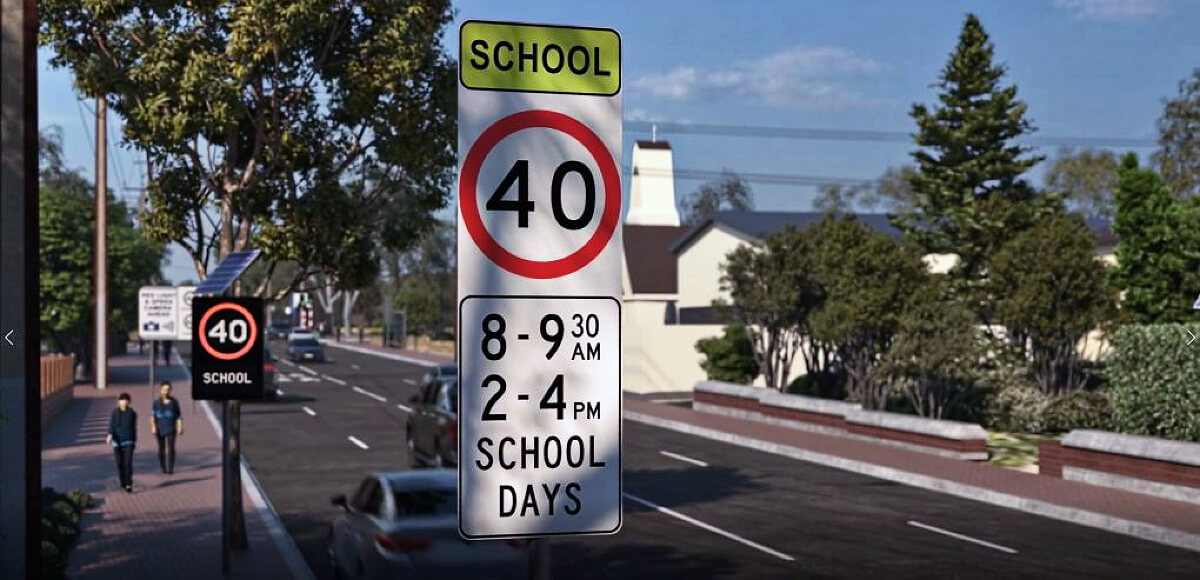
At some school zones, whenever a child is present on the road, footpath, or median strip the speed limit is 25km/h 24/7, 365 days a year (a child is considered anyone under 18 or wearing a school uniform).
That’s fairly straightforward (assuming you can tell the difference between a strapping 17-year-old student on a uniform-free day and an 18-year-old on his way to work) — but the other 40km/h zone isn’t.
When you find yourself in one of those, you need to quickly check the clock (and hope you remembered to change it for daylight saving) to see if you’re travelling through during the specified hours (8.30am to 9.30am and 2.00pm to 4.00pm).
But the speed limit applies only on school days (excluding weekends, public holidays and school holidays).
Now, I don’t know about you, but I wouldn’t have the foggiest when school holidays are on and I’m not even certain about public holidays.
And apparently, nor are plenty of other drivers who decide to do 40km/h rather than risk a fine.
Or take their chances and ignore the speed limit altogether.
Little wonder more than 1100 drivers were fined a total of almost $700,000 at just two of the state’s new 40km/h zones in the first 11 weeks of operation.
The 40km/h limit is being rolled out to over 150 schools across the state, replacing the 25km/h limit.
Surely, we deserve flashing lights to alert us that we’re in a school zone and the 40km/h limit is active.
Perhaps they could use some of that $700,000 they raked in?

The background to car badges
Carlo Abarth chose the scorpion as the symbol of his company right from the beginning in 1949.
Primarily, the scorpion was Carlo’s sign of the zodiac, but it also perfectly encapsulated the Abarth philosophy: “small but mean”.
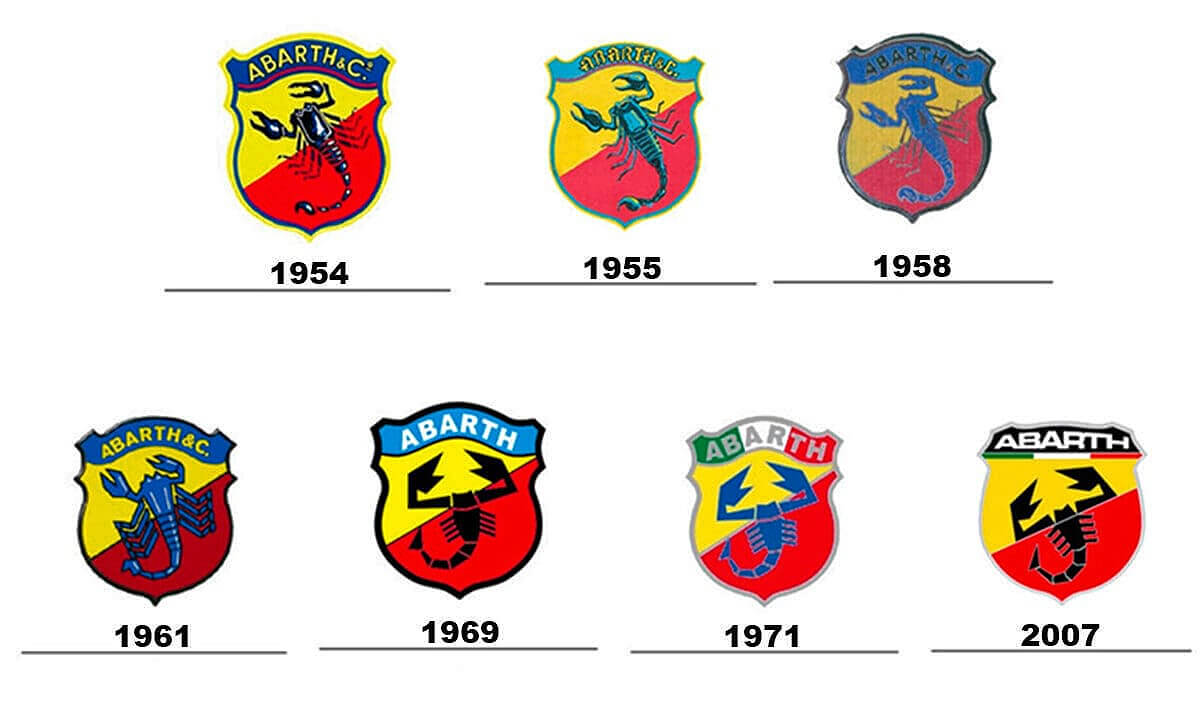
Initially, the scorpion appeared without shield or frame, but after some race victories, Carlo introduced a shield in two colours: yellow for Merano (Abarth’s home) and red, the colour that always identified Italian cars in motorsports.
In 1969, a new version featured a more stylised, simplified scorpion, both claws extending upwards and the name “Abarth” became white on a sky-blue background.
When Abarth was acquired by Fiat in 1971, the Italian flag was added behind the name Abarth and the scorpion, inexplicably, became dark blue.
The logo was restyled in 2007 to coincide with Abarth’s new role as an independent brand in the Fiat Group.
The Abarth badge today is used on high-performance Fiats.

And that’s how the fight started…
My wife asked me if anyone in my family suffered from mental illness.
“No,” I replied. “We all seem to enjoy it.”
Paul who?
Paul Murrell has a fascination with cars. Like the rest of us at Cars4starters he has been writing about them for a long time. He’s found the best stories are sometimes the small ones. Look no further.
Paul is a freelance motoring journalist who contributes to seniordriver.au, SA Life, Highlife, Survivor Car and a number of other motoring publications. Readers are encouraged to agree, disagree or express contrary points of view in writing at any time.