


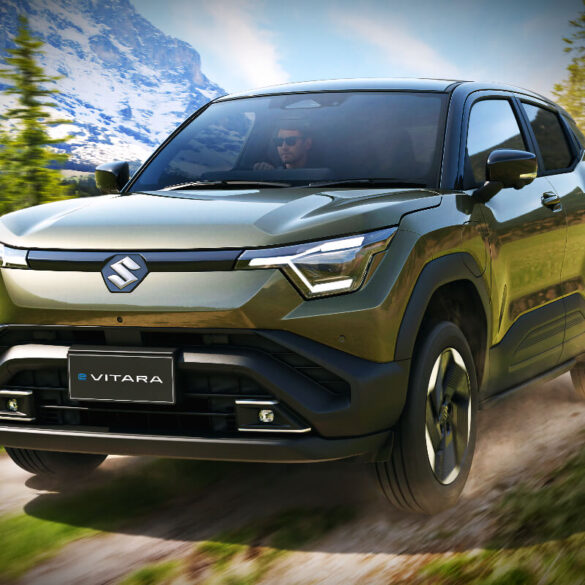

What is it?
Introduced in the 1980s, the Suzuki Vitara helped pioneer the compact four-wheel drive and built a reputation for capability, efficiency and durability on and off road.
Now, with the Japanese brand’s first fully electric SUV for Australia, the e Vitara has taken on the task of upholding the tradition.
Underpinning the e Vitara is Suzuki’s new HEARTECT e platform, developed especially for battery electric vehicles.
This makes the best use of cabin space, structural rigidity and driving range, while absorbing and distributing collision energy, reinforcing occupants’ safety.
What’s it cost?
e Vitara is offered in two variants – Motion, two-wheel drive with 344km range and Ultra, the test vehicle, featuring Suzuki’s All Grip all-wheel drive system, and 395km range.
Pricing could be a problem with the e Vitara Motion FWD tipping the scales at $49,990, plus on-road costs, with the AWD Ultra running away with $58,990, close to top of the class.
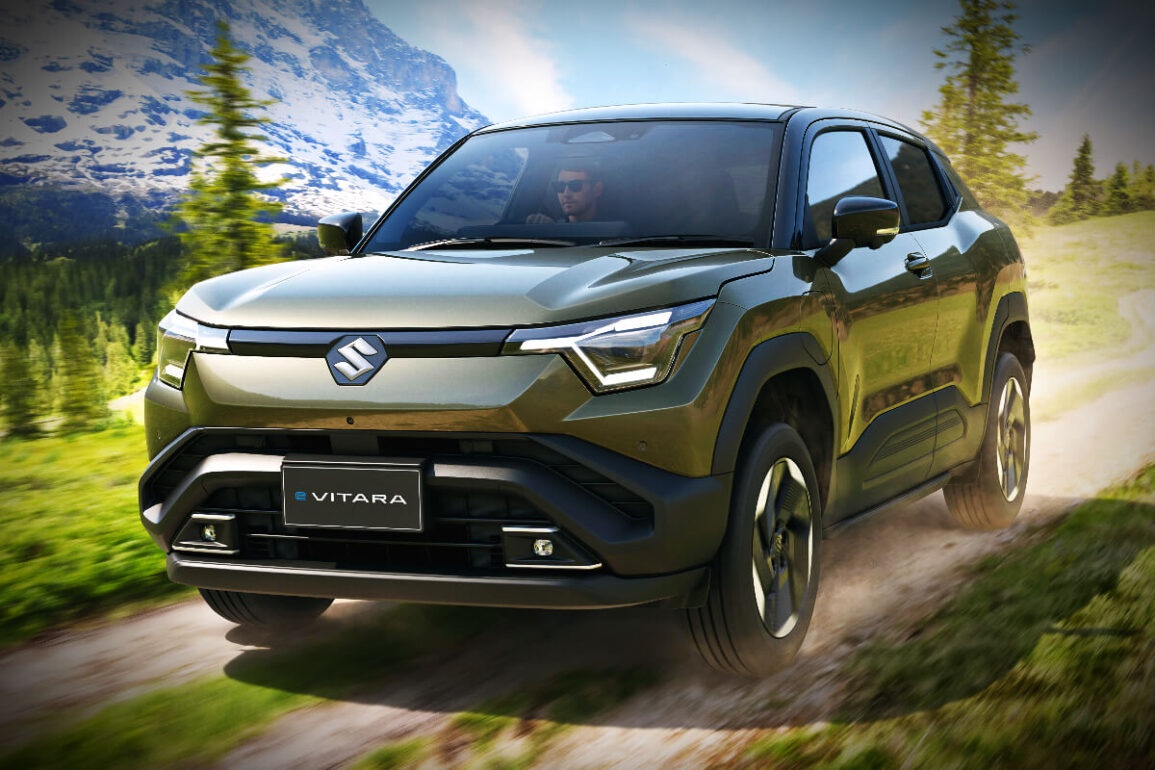
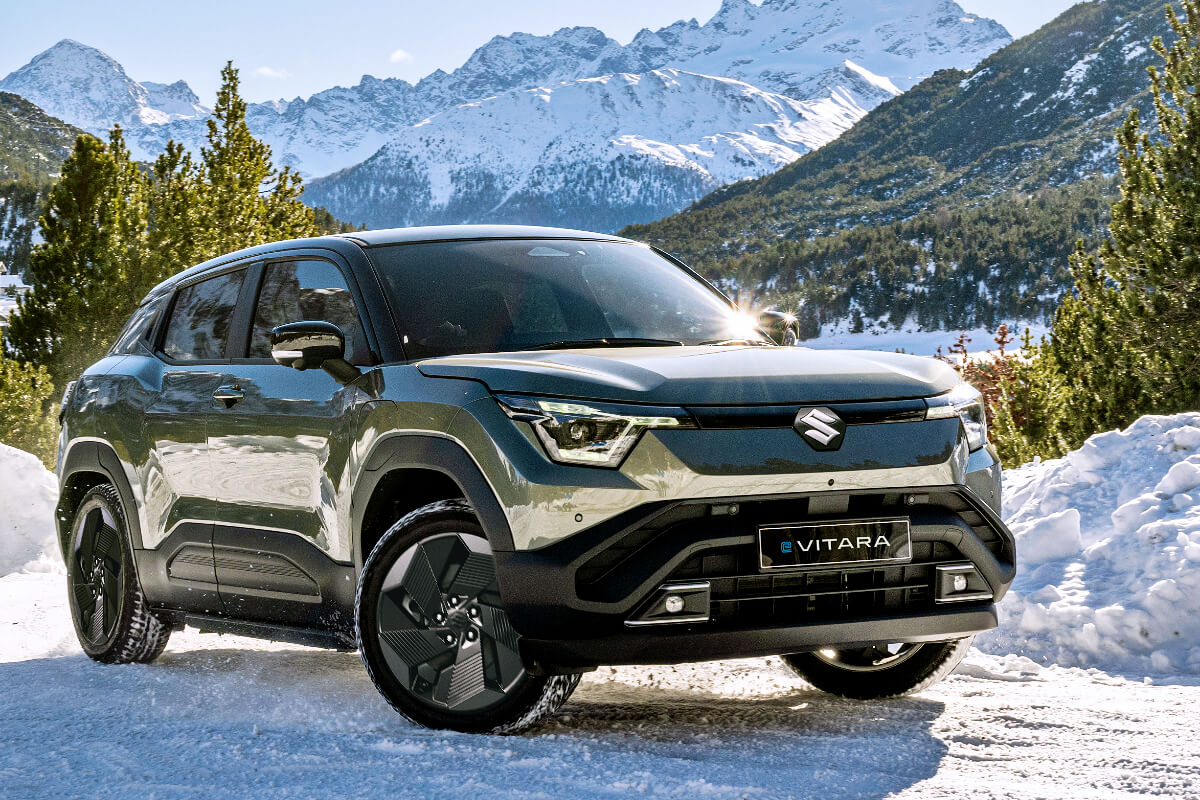
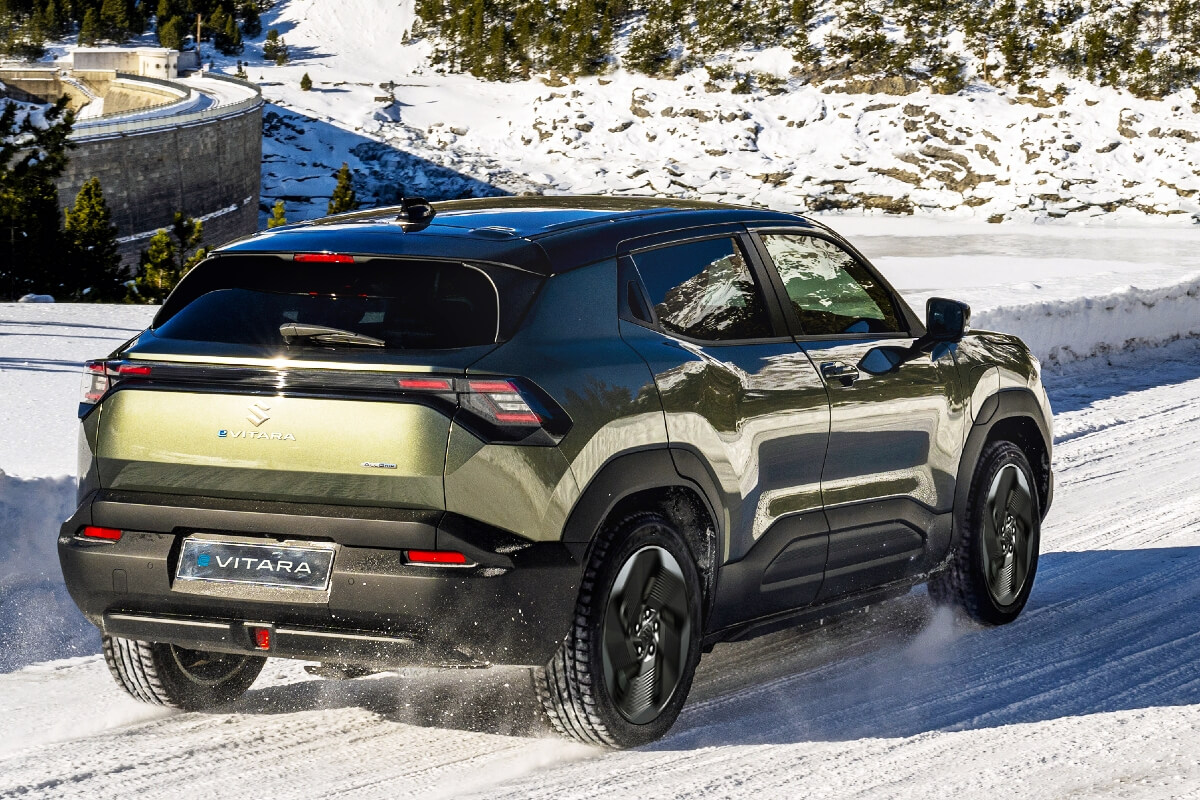
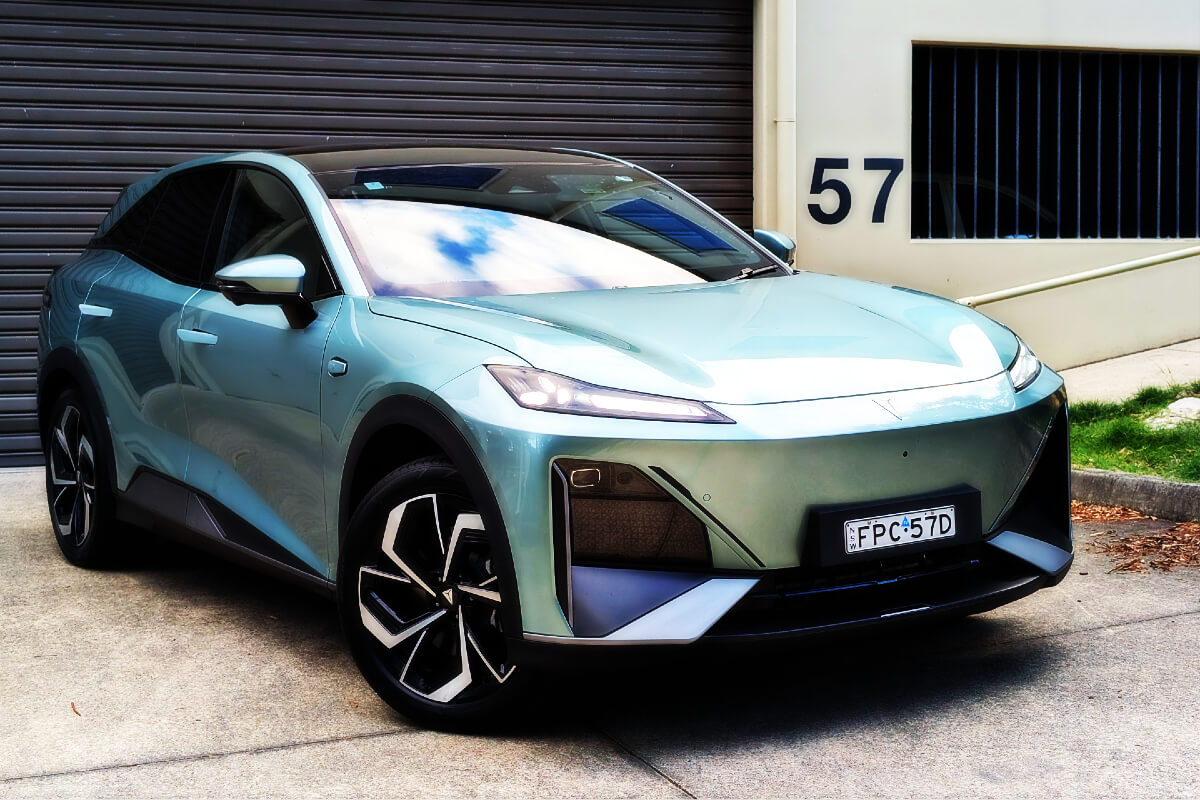
Undeniably Vitara in many ways, the ‘e’ Model is streets away from the Suzuki SUV that has carried the name across many iterations. This baby steps up with a bold new face highlighted by auto high-beam LED headlamps and a collection of curves and cut-outs.
The profile is straight-out small SUV. The whole thing rolls on snazzy 18-inch alloy wheels.
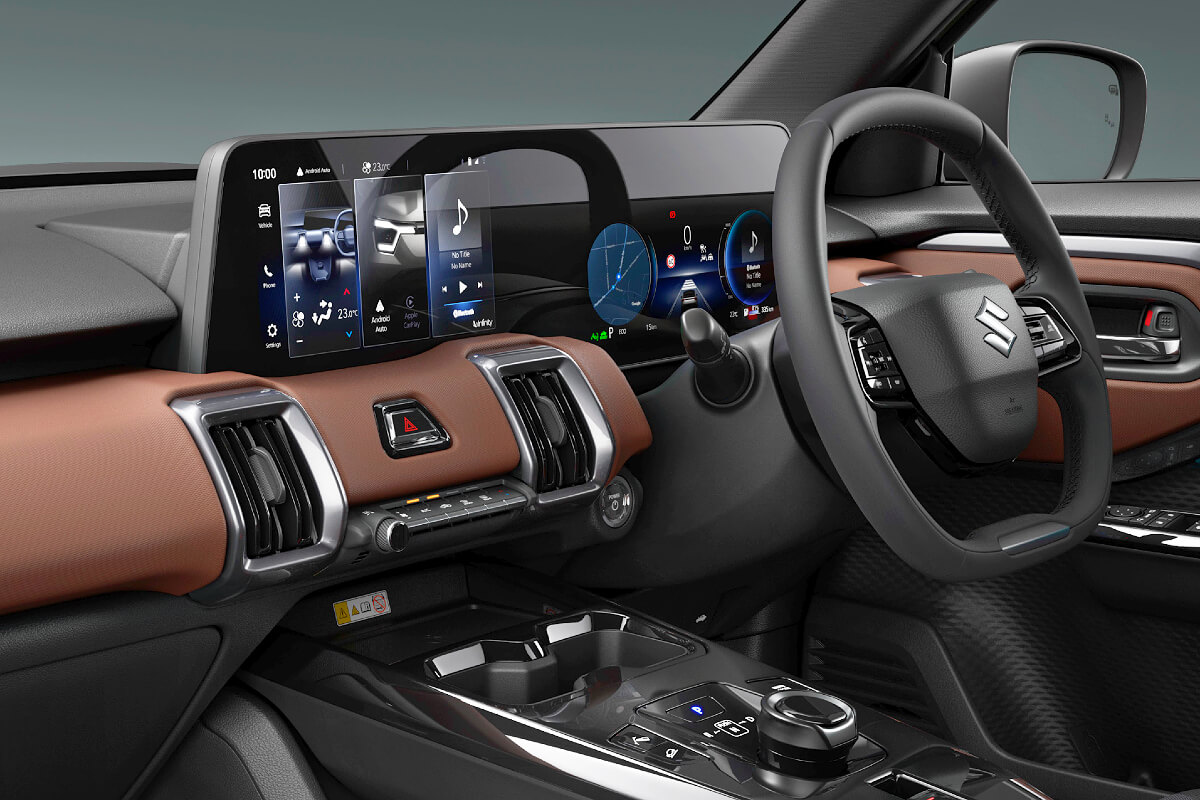
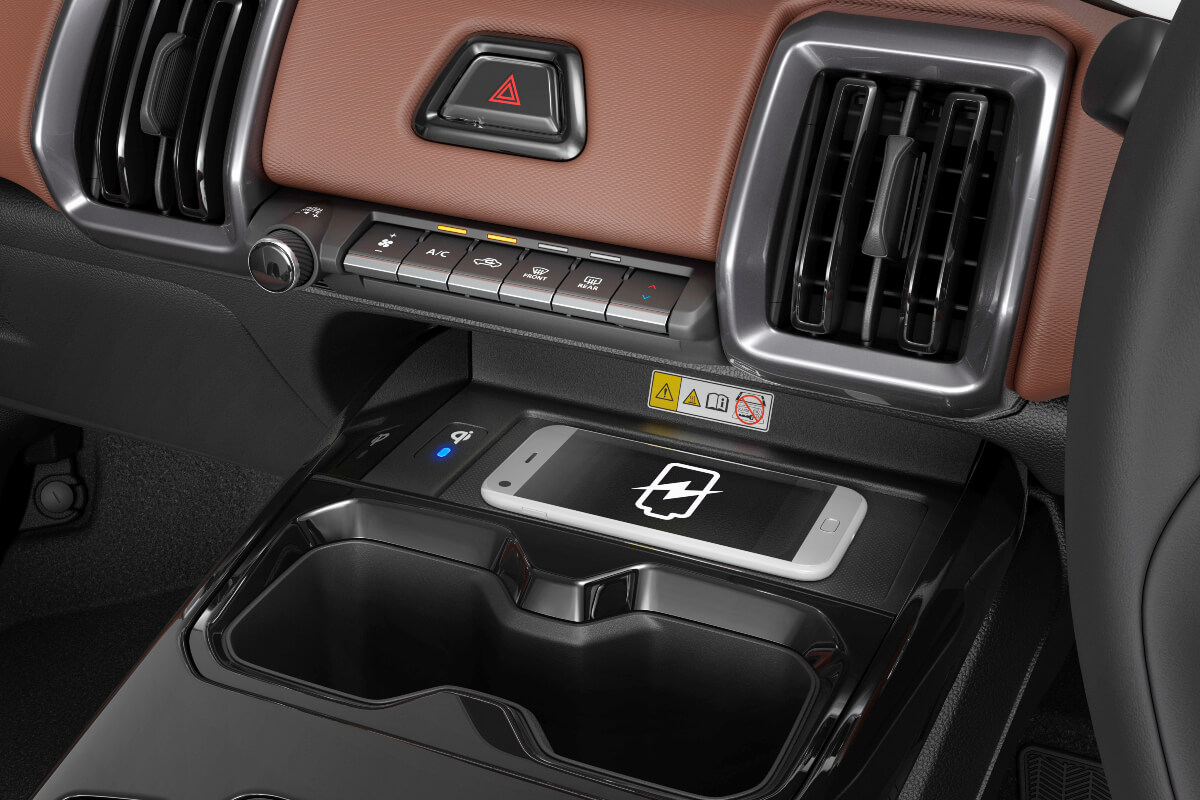
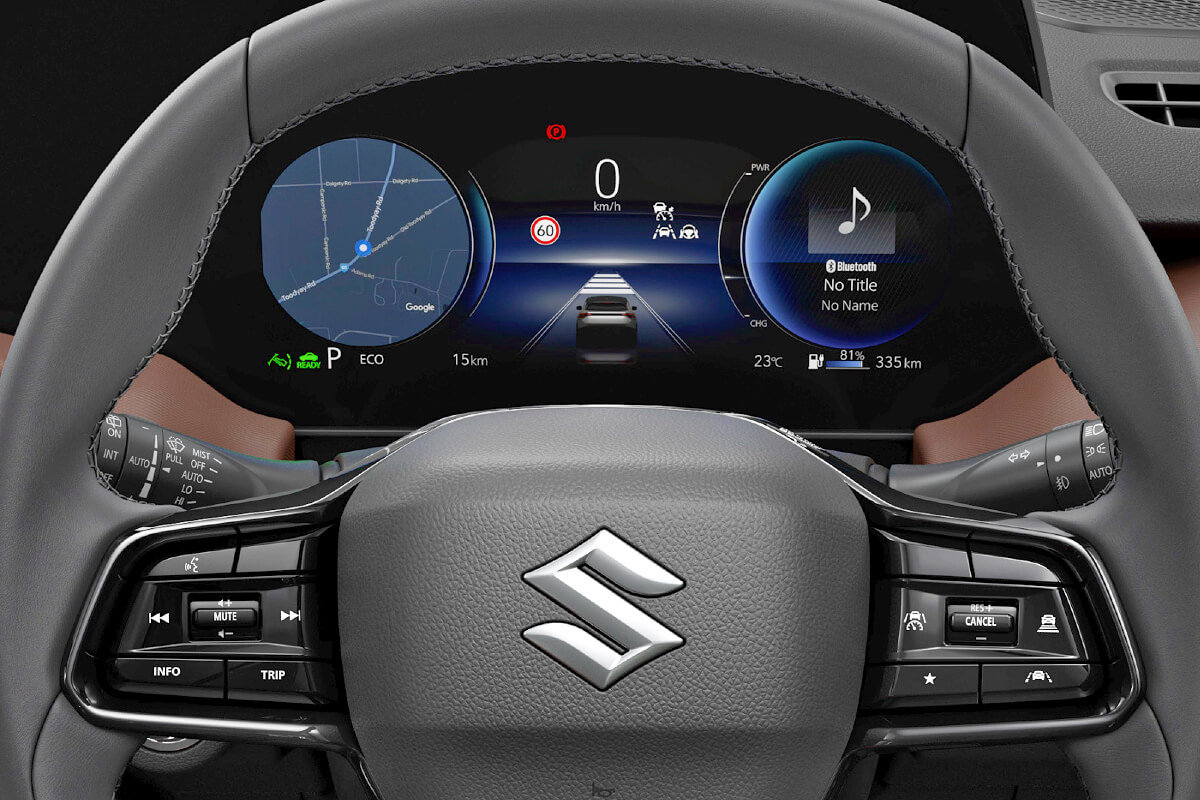
Modern automotive high tech set out in minimalist easy-to-read manner combining instruments and information readings into a single display. Single-zone climate controls have thoughtfully been removed from the screen and situated alongside the touchscreen for easy access on the move.
An integrated display system includes Apple CarPlay (wireless) and wired Android Auto, satellite navigation and DAB digital radio. Ambient lighting in 12 colours sets the scene for quality audio reproduction from an Infinity sound system with subwoofer.
The e Vitara has earned a four-star ANCAP rating based on European NCAP testing and includes seven airbags. There’s also a high level of advanced driver-assist systems including auto emergency braking, rear cross-traffic alert and lane-keeping technology.
Electronic stability control is backed up by anti-lock braking, dual sensor brake support, and multi-collision braking. Additional features include high beam assist, blind spot monitor, plus front and rear parking sensors.
Included with every new e Vitara is a Type 2 charging cable with its own bag, valued at more than $1000. The SUV is backed by Suzuki’s Genuine Service Program, covering standard scheduled servicing for up to five years or 100,000 kilometres and the high- voltage battery for eight years/160,000km.
Added to these are five years of roadside assist.
What’s it go like?
Comfy front seats, power adjustable for driver, are heated, while excellent driving position, strong ventilation, general practicality and quality finish lift interior presentation.
The e Vitara feels solid and expensive inside.
The same applies with the rear seat, that also benefits from a slide-and-recline function for the split-fold bench.
USB ports, ventilation and cupholders are welcome fixtures to a functional layout.
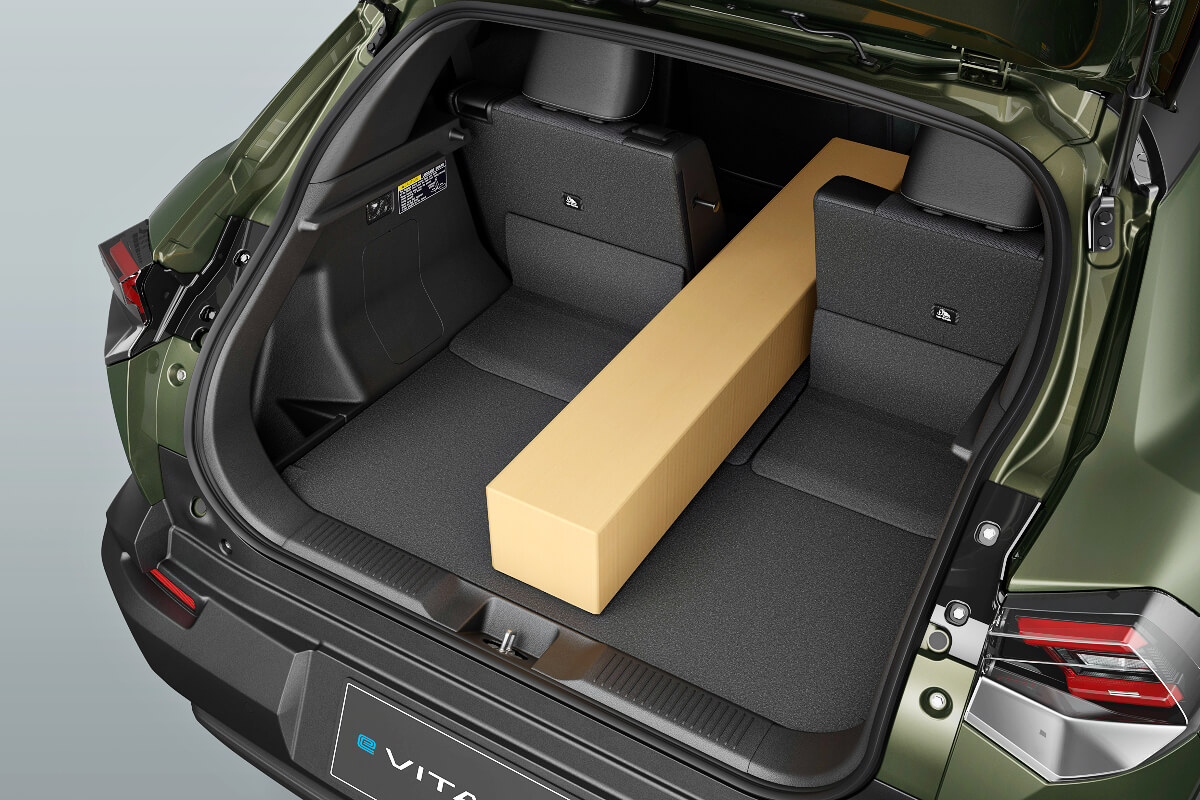
However, a high floor and the limited access are downsides. With the rear bench fully slid back, capacity is a slim 238 litres, rising to 306 litres pushed forward.
With backrests down, that rises to 562 litres. And there’s no spare wheel, just a tyre-repair kit.
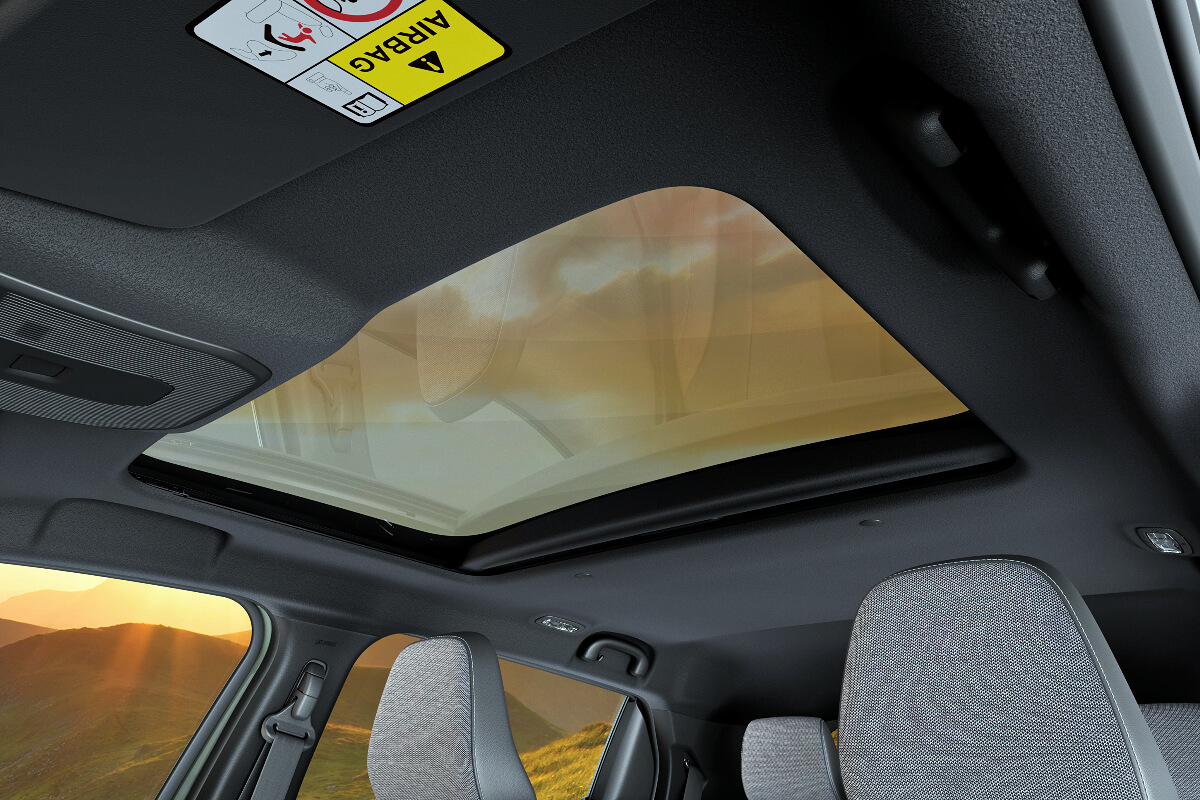
Capping off the Ultra cabin is a lightweight glass roof with retractable shade that floods the space with light.
The e Vitara 2WD models deliver 106kW of power and 193kW of torque, compared to the AWD’s combined 135kW and 307Nm, the latter as a result of the rear e-Axle, made up of an electric motor, inverter and reduction gears working simultaneously, contributing 48kW and 114Nm.
I have to say I have found, over the years, the Vitara, in all its iterations driven, has been good company from the word go.
So, what’s new? One steps (easily and effortlessly) into an e Vitara.
The cabin is longer and broader than the compact exterior suggests, with mid-size space front and rear, including headroom.
The suspension seemed to do a good job isolating the cabin from bumps and noise.
The two-motor Ultra Allgrip-e, which is all-wheel drive, uses the same battery and 128kW/193Nm front motor as the long-range e-Vitara, but adds another rear-mounted 48kW unit.
Energy consumption is put at 16.6 kWh/100km.
Toyota, with Subaru support, helped develop the electric Suzuki’s AWD system, which includes variable torque distribution between the axles according to traction needs, as well as a limited-slip diff in Trail Mode for extra-slippery conditions.
Two motors enable accurate torque distribution front and rear, improving traction and stability across a variety of driving conditions.
Drivers can delve into selectable driving modes, including Normal, Eco and Sport. with additional Snow mode in 2WD and Trail, all-wheel drive models.
What we like?
- Good ride comfort and noise isolation for a small SUV
- Smooth, quiet performance with strong traction from two‑motor AllGrip‑e
- Spacious, well‑finished cabin that feels solid and more expensive than price suggests
- Thoughtful touches: glass roof, heated seats, wireless CarPlay, and a Type 2 charging cable included
What we don’t like?
- Pricing is steep, especially the AWD Ultra at nearly $59k before on‑roads
- Only a four‑star ANCAP safety rating in a class where many rivals score five
- Boot space is modest, with a high floor and no spare wheel
- Limited rear access and a slim cargo area when the rear bench is fully back
The bottom line?
Suzuki Australia says the e Vitara represents the evolution of a proven nameplate, bringing new customers into showrooms while retaining the trust of existing owners.
Better late than never.
CHECKOUT: Order books open for Suzuki’s electric Vitara
CHECKOUT: Life-saving pacemaker for Suzuki Vitara
Suzuki e Vitara Ultra AWD, priced from $58,990 driveaway
-
Looks - 7/10
7/10
-
Performance - 7/10
7/10
-
Safety - 7/10
7/10
-
Thirst - 7/10
7/10
-
Practicality - 7/10
7/10
-
Comfort - 6/10
6/10
-
Tech - 8/10
8/10
-
Value - 7/10
7/10
