




Putin’s Russian-made Aurus Senat
Fit for a tsar
Like most royal families in the early 20th century, the Russian royal family had an Imperial Garage.
After the revolution, the garage was taken over by Special Services, although it appears the new Russian leaders had similar tastes to the royals they had removed.
Lenin adopted a 1922 Rolls-Royce Silver Ghost in 1923 as his personal transport.
Stalin, meanwhile, preferred a 1937 Packard V12 (the earlier 1933 Packard Eight served as the template for the 1942 ZIS-110 limousine used by Party and government heavyweights).
Nikita Khrushchev often used Russian cars, but his personal garage included a Lincoln Zephyr, Cadillac Fleetwood, and a Rolls-Royce Silver Cloud.
He was also gifted a Mercedes-Benz 300 SL Gullwing by the West German government, but he passed it on to a Leningrad research institute to study its advanced fuel-injected engine.
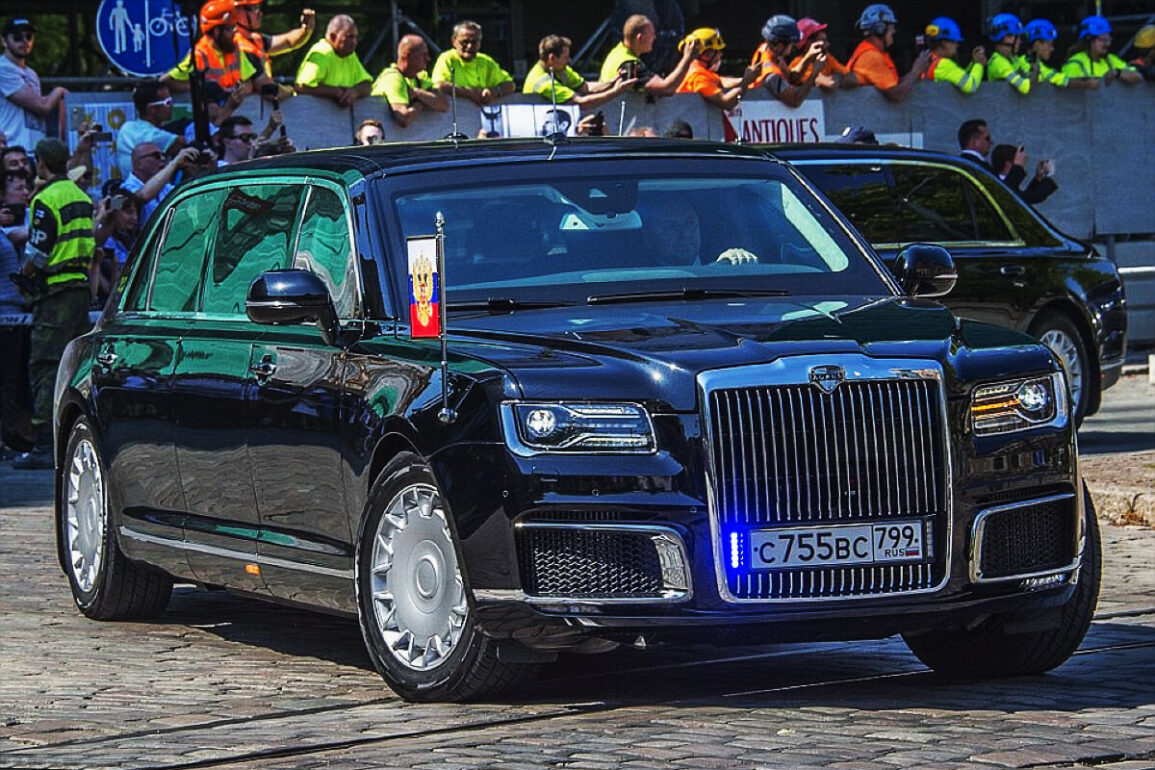
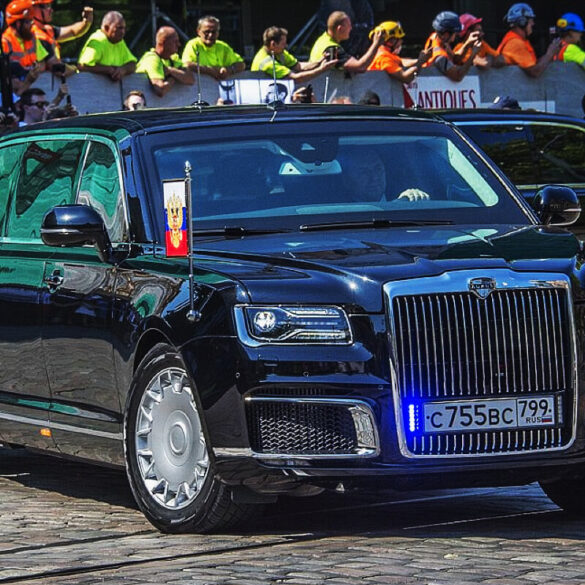
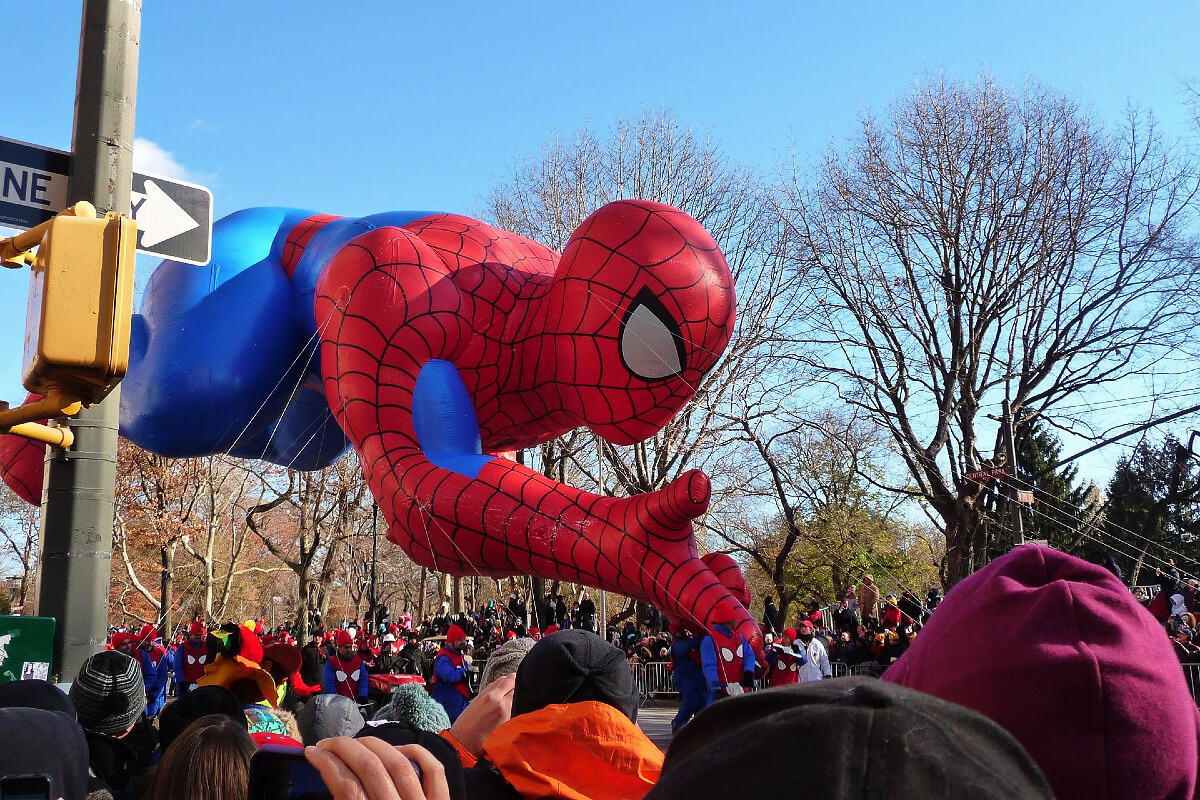
The sense of entitlement continued with Putin using a Mercedes-Benz S600 Grand Pullman until he swapped it for a custom-built (and Russian-built) Aurus Senat limousine in 2018.
The almost-seven-metres long, 7.2-tonne vehicle is often called the Russian Rolls-Royce due to its imposing appearance.
No accounting for taste
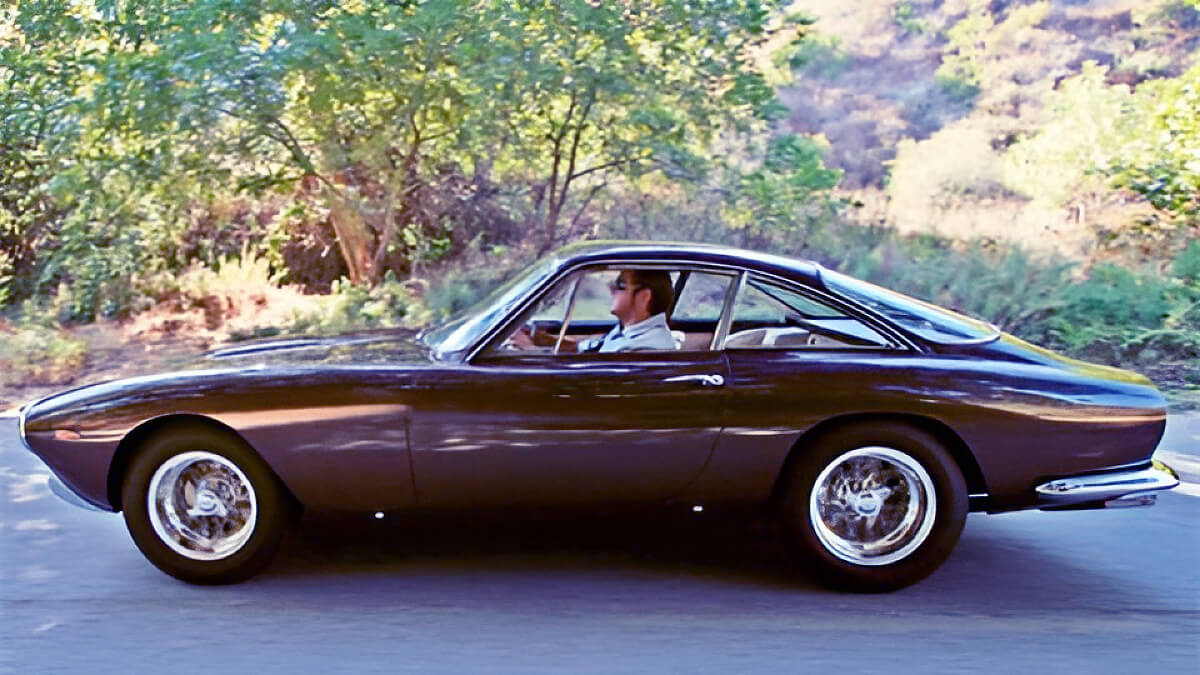
Car colour is very much a matter of personal taste, but who would order a Ferrari painted brown?
Well, in 1963, actor (and style icon) Steve McQeen took delivery of his Ferrari 250 GT Lusso, a gift from his first wife Neile Adams.
Quite unexpectedly, it looked rather splendid in its mid-brown hue (officially called “Marrone”), set off by a beige interior.
The car went to auction in California in 2007. Someone must have liked it; it sold for $US2.31 million, well above its pre-sale estimate of $US800,000 to $US1.2 million.
Another oddball
Some people have a weird obsession with producing their own car (as we’ve illustrated before).
This one is the Charade Monza CS, built in Clermont-Ferrand (France) in the late 80s by French race engineer Pierre Foissotte.
Its fibreglass body incorporates VW Scirocco tail lights, and if you squint, hints of Aston Martin Virage, Subaru SVX and Nissan Skyline R32 GT-R.
However, it would be unlikely to outperform any of those; the engine was a 1.9-litre mid-mounted Peugeot unit (albeit from a 205 GTi putting out 130bhp/97kW).
Approximately two dozen cars were produced before the plug was pulled in 1993, but the story didn’t end there.
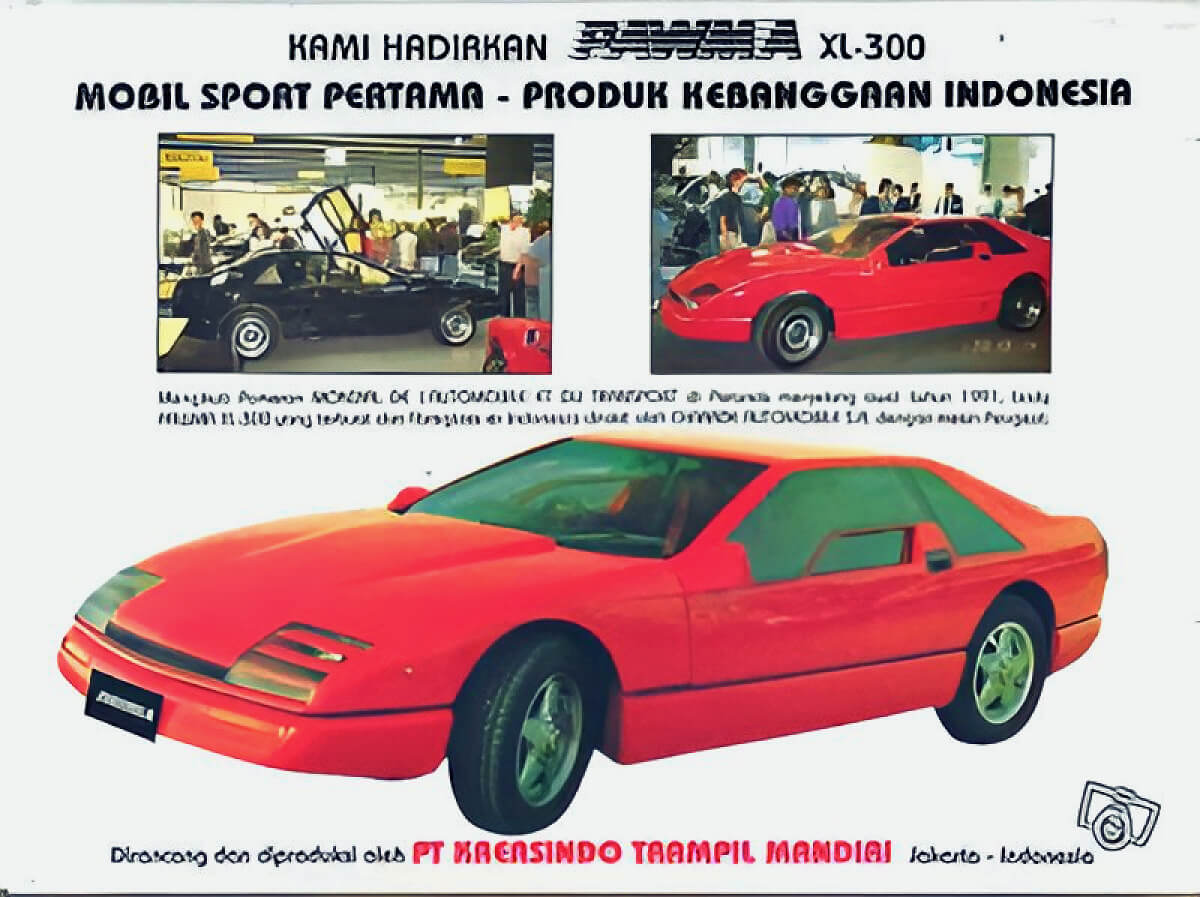
In Indonesia, the car reemerged as the Pawma XL300, based on the compact cab-over light commercial Mitsubishi L300 with a modified 1.6-litre engine and five-speed transmission (an odd choice with performance considerably lower than the original).
It was even less successful than the original, with about 10 cars rumoured (but not confirmed) to have been produced in Jakarta by P. T. Kreasindo Tampil Mandiri.
King of the customisers
Love him or hate him (and there are plenty of people in both camps), George Barris certainly made his mark.
This was the man responsible for such creations as the Batmobile (I’d bet we all had a Dinky toy version when we were kids), KITT the Knight Rider car (a 1982 Pontiac Trans Am), Greased Lightning from Grease (a customised 1948 Ford Deluxe convertible), the Dukes of Hazzard General Lee Dodge Charger, the Starsky and Hutch Ford Torino, the Back to the Future De Lorean and so many more.
Less well known is that Barris created cars for the stars, including Sonny and Cher, Farrah Fawcett Majors, Zsa Zsa Gabor, John Travolta and, of course, Elvis Presley.
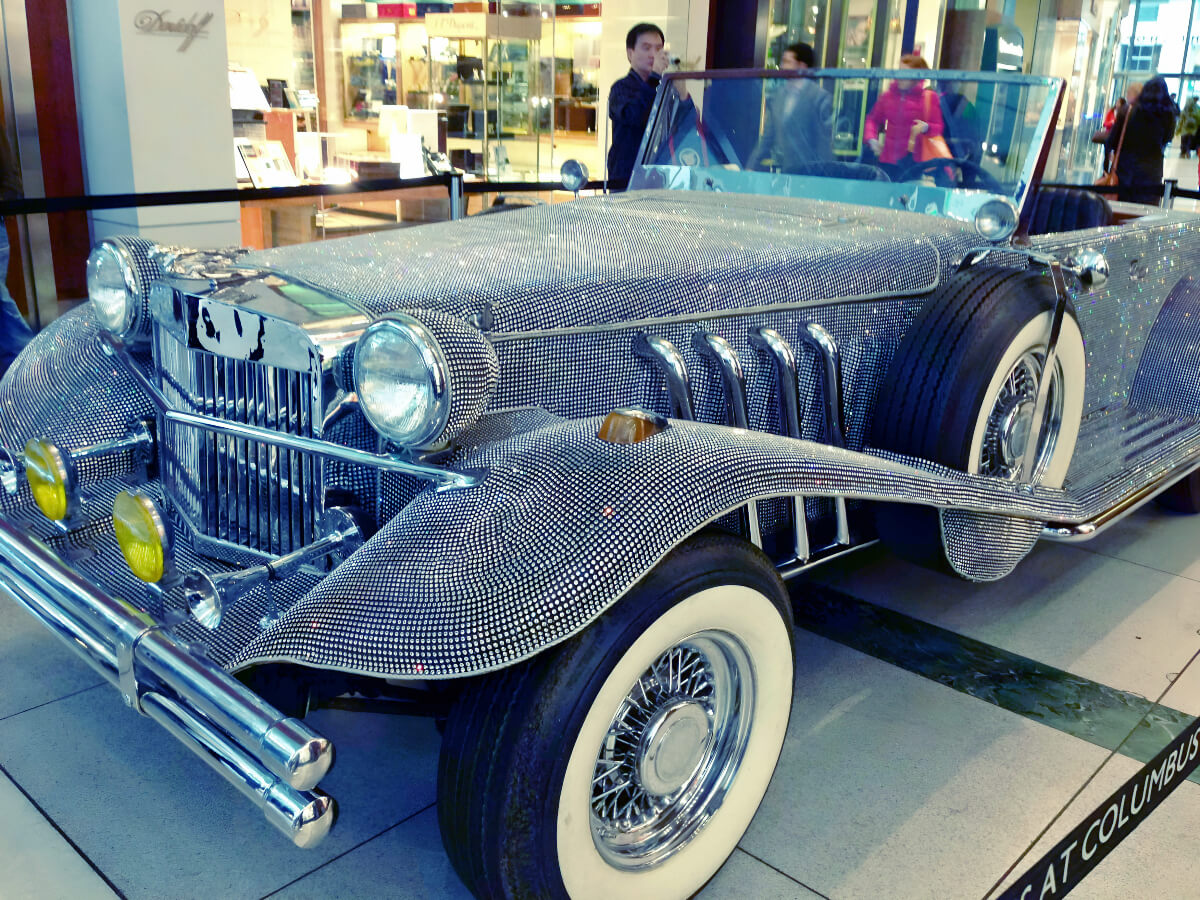
He even created a car for Liberace that included 10,000 rhinestones and sterling silver grand pianos as hood ornaments.
Good taste was never a prerequisite.
Barris was born in the 1920s and when he and his brother were given their first car, a 1925 Buick, the first thing they did was customise it using pots and pans from Woolworths to make hubcaps and mudflaps.
He died in 2015.
The background to car badges
Like many car companies of the early years, the original Austin logo featured a wheel and two large wings with several rows of stylised feathers (sound familiar?).
Later, a very similar winged wheel added “Austin” in a cursive handwritten font.
The first Austins were considered elite and bought by the nobility in small numbers, but the Austin 7 revolutionised motoring and sold 400,000 in 16 years.
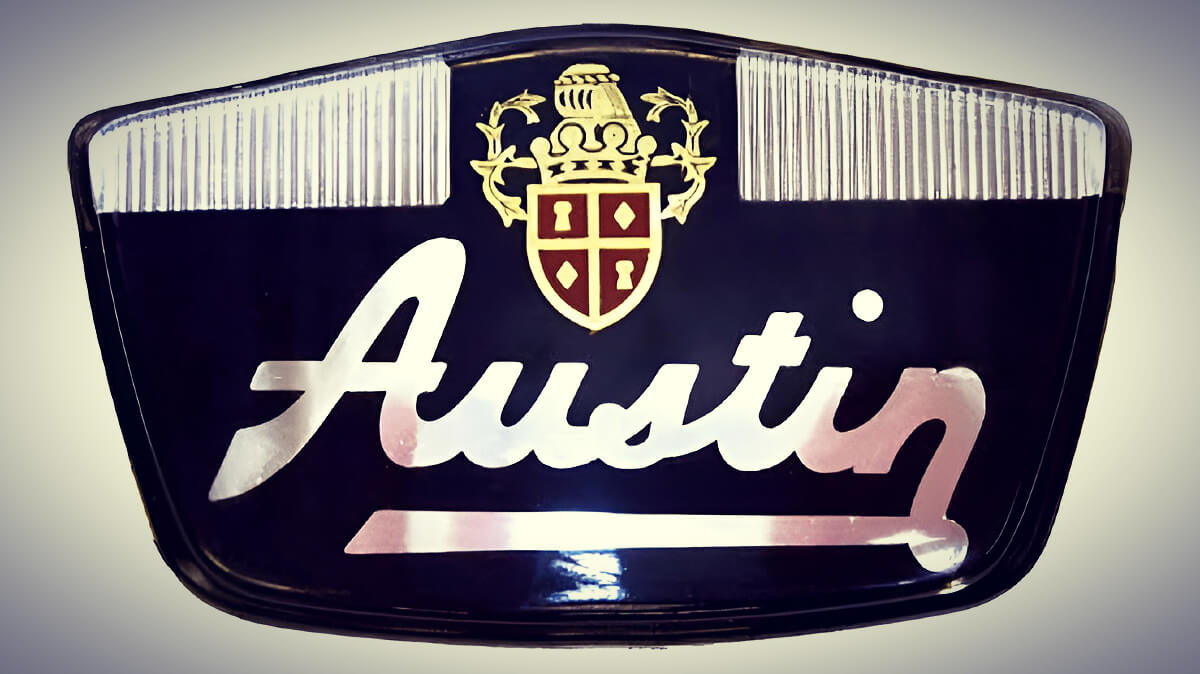
In the ‘50s, this familiar badge appeared on cars.
The coat-of-arms shield above the word “Austin” is divided into four red sections, containing gold figures that symbolise the company’s historical connections and British origins, while the crown above represents the company’s connection to royal families.
In 1959, the logo reverted to the name Austin in a cursive script without any embellishment.
In 1962, the logo was changed to a rather austere uppercase above five very wide stripes, three blue and two green.
Today, brand rights are held by Chinese company Nanjing Automotive.
And here’s one I prepared earlier
In a previous Backwords, the background to the Mazda logo was featured.
But while researching another story, I found a truly surprising badge.
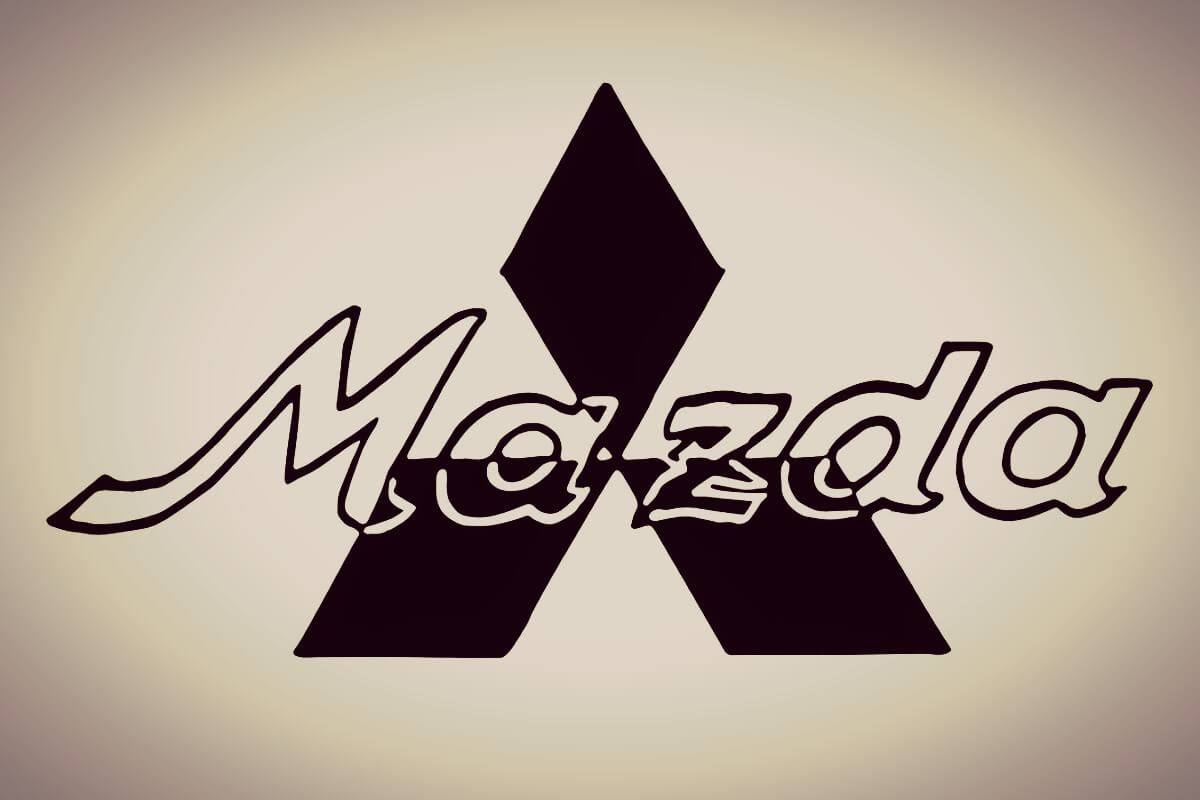
Mazda’s logo in 1931 featured the three diamond Mitsubishi logo, which dates back over 150 years and is based on a triangular water-chestnut ship flag emblem, eventually evolving into the three-diamond design.
The reason was that Mazda had arranged a sales distribution agreement with Mitsubishi.
The logo was dropped when the agreement ceased in 1934.
And that’s how the fight started…
My wife and I decided we don’t want children. It was a difficult decision, but we’re telling them tonight.
Paul who?
Paul Murrell has a fascination with cars. Like the rest of us at Cars4starters he has been writing about them for a long time. He’s found the best stories are sometimes the small ones. Look no further.
Paul is a freelance motoring journalist who contributes to seniordriver.au, SA Life, Highlife, Survivor Car and a number of other motoring publications. Readers are encouraged to agree, disagree or express contrary points of view in writing at any time.