


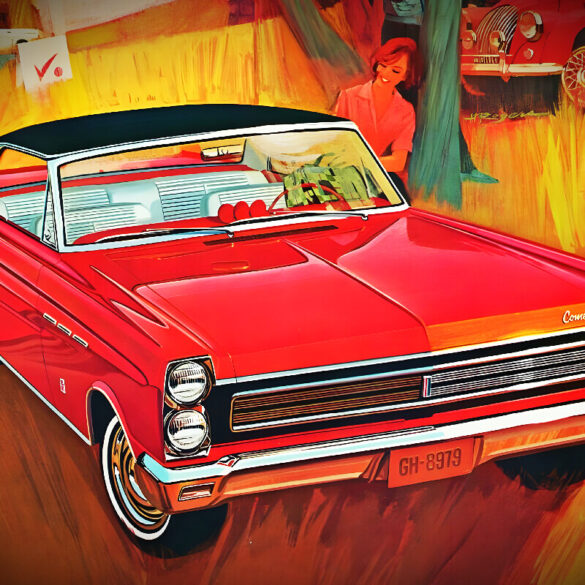

In 1963, Mercury executives got some bad news — their own version of the yet-to-be-released Mustang wouldn’t arrive until late 1966.
Their dealers weren’t going to be thrilled.
So, Mercury’s product planners came up with a stop-gap — a sporty new car to keep customers interested until the Mustang-based Cougar arrived.
They called it the Cyclone.
Unveiled in 1964, the Cyclone wasn’t exactly “new.”
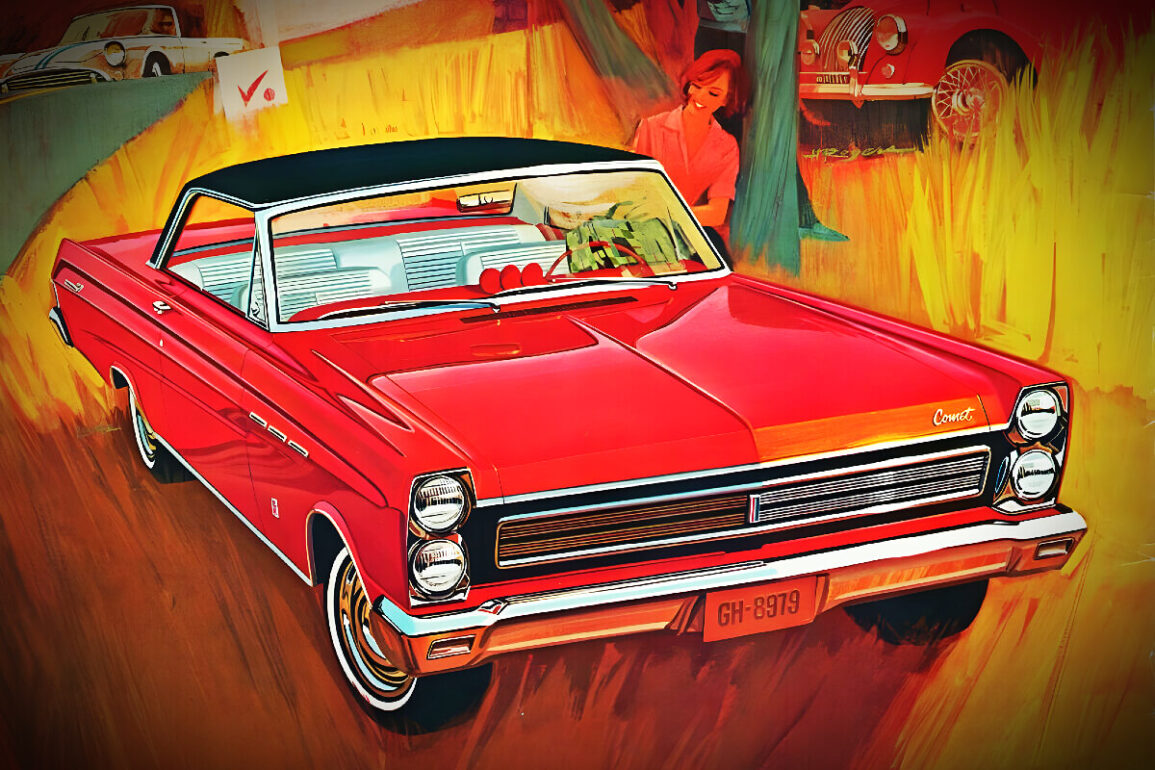
It was essentially a rebadged Mercury Comet S-22, the division’s sporty compact.
The S-22, introduced in 1962, added bucket seats, a centre console and some exterior bling to the otherwise sensible Comet coupe.
And “compact” was really an illusion.
The Comet was really a stretched Ford Falcon, riding on a 2896mm wheelbase and almost matching the length of a Ford Fairlane.
The Cyclone package gave buyers a 4.9-litre (289-cubic-inch) V8, three-speed manual, chrome wheel covers, three-spoke steering wheel, bucket seats, tachometer, centre console and glittery bling on the sheet metal.
Then came a bit of luck.
Cyclone hit showrooms at almost exactly the same time as Pontiac’s GTO.
Suddenly, Mercury had a muscle-car rival on its hands.
Sure, the Cyclone’s 289 couldn’t match the GTO’s bigger 6.4-litre (389-cubic-inch) V8, but it could hold its own.
Mercury decided to turn up the heat.
It built 50 lightweight Cyclones fitted with a 7.0-litre (427-cubic-inch) V8.
These factory specials quickly found their way into the hands of drag racers, many backed by Mercury, and proceeded to make a serious mess of the competition on quarter-mile strips across America.
For 1967, the Cyclone moved upmarket, adopting Ford Fairlane coupe and convertible bodies and gaining a 6.9-litr (390-cubic-inch) V8 as an option.
Later versions were based on the Ford Torino.
But the Cyclone’s biggest claim to fame came in 1968, when the legendary Wood Brothers NASCAR team selected it for competition.
What followed was spectacular.
Drivers including Cale Yarborough, David Pearson, A.J. Foyt, Parnelli Jones and Donnie Allison took Cyclones to victory on NASCAR’s high-speed ovals, giving Mercury’s coupe a serious racing pedigree.

By 1972, the US muscle-car boom was fading, while the Cougar was selling strongly.
Cyclone was reduced to an option package.
In 1973, it disappeared from Mercury’s lineup altogether.
Mercury sold over 76,000 Cyclones during its tenure.
Not bad for a car that was originally conceived simply to keep dealers happy while Mercury waited for its Mustang-based Cougar.
David Burrell is the editor of retroautos
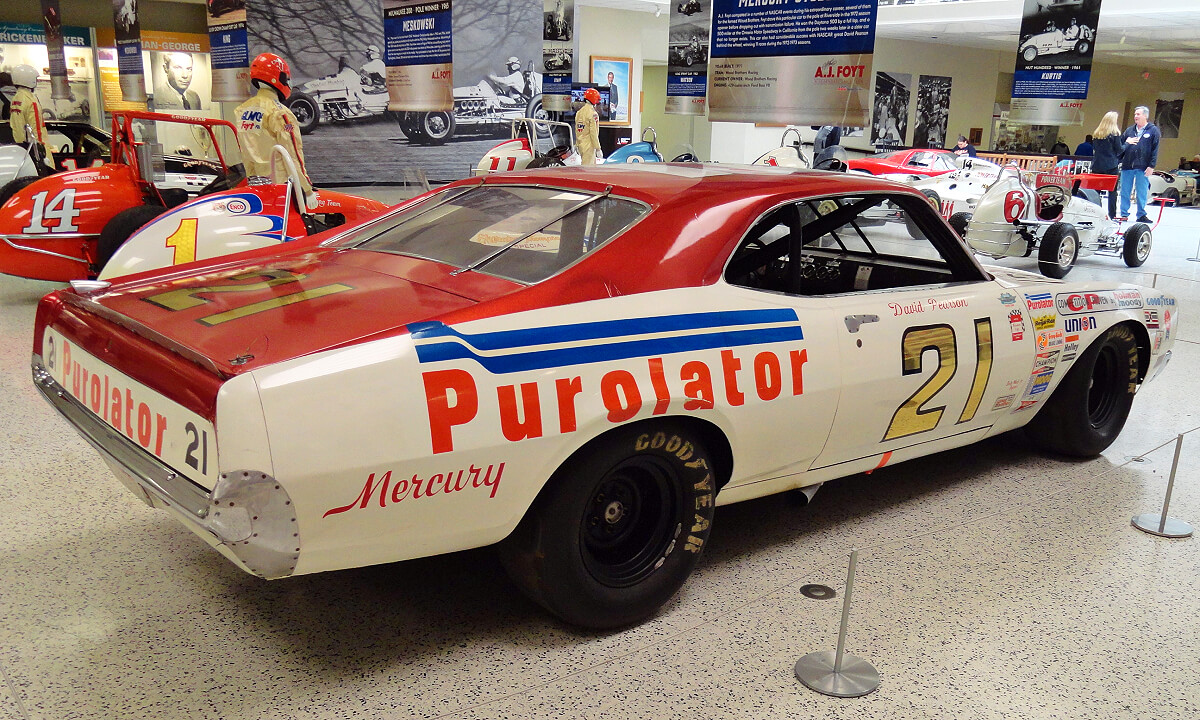
1971 Cyclone driven by A. J. Foyt and David Pearson
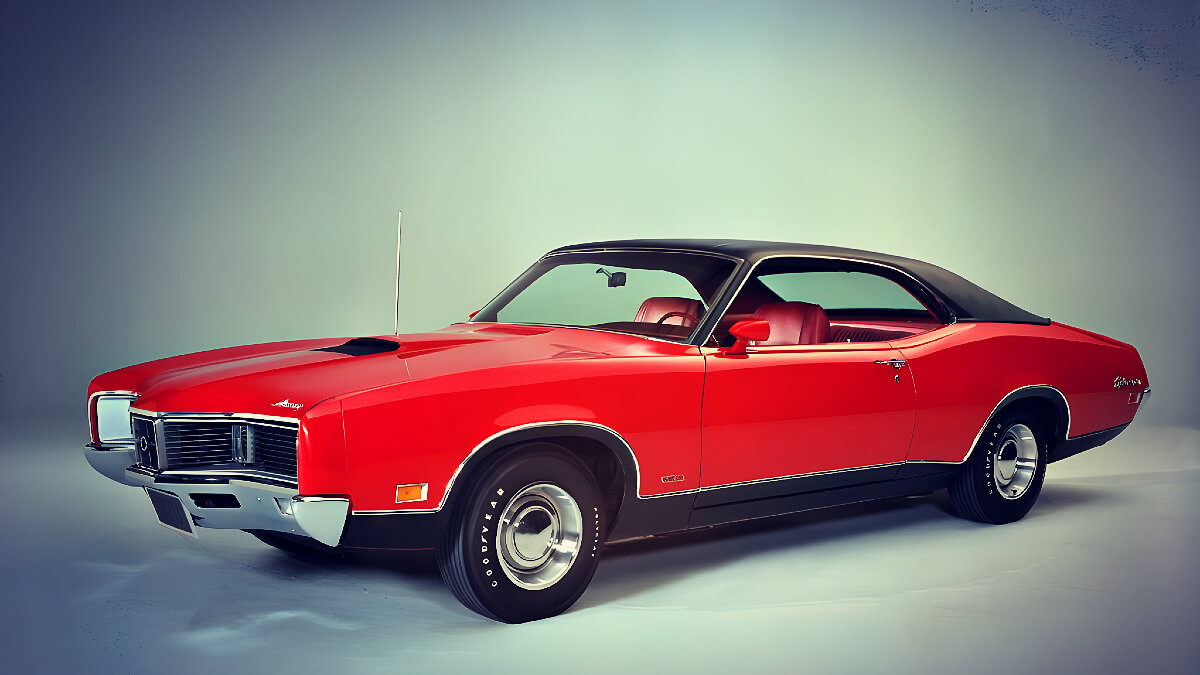
1970 Mercury Cyclone GT two-door hardtop coupe
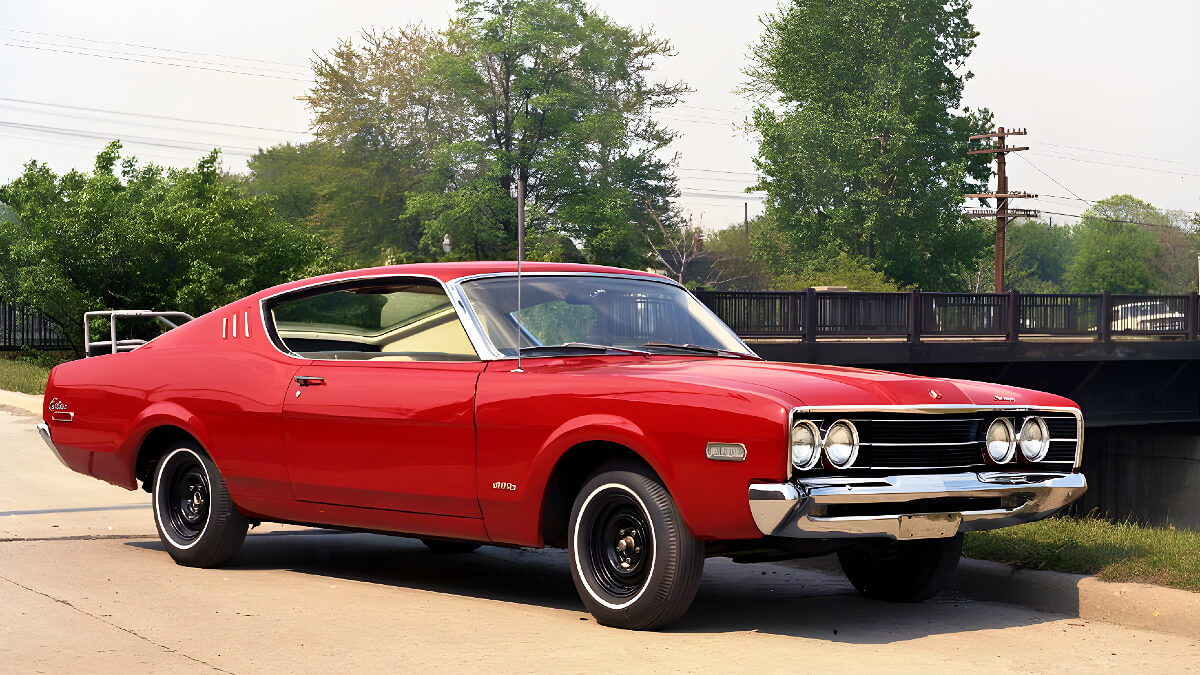
1968 Mercury Cyclone
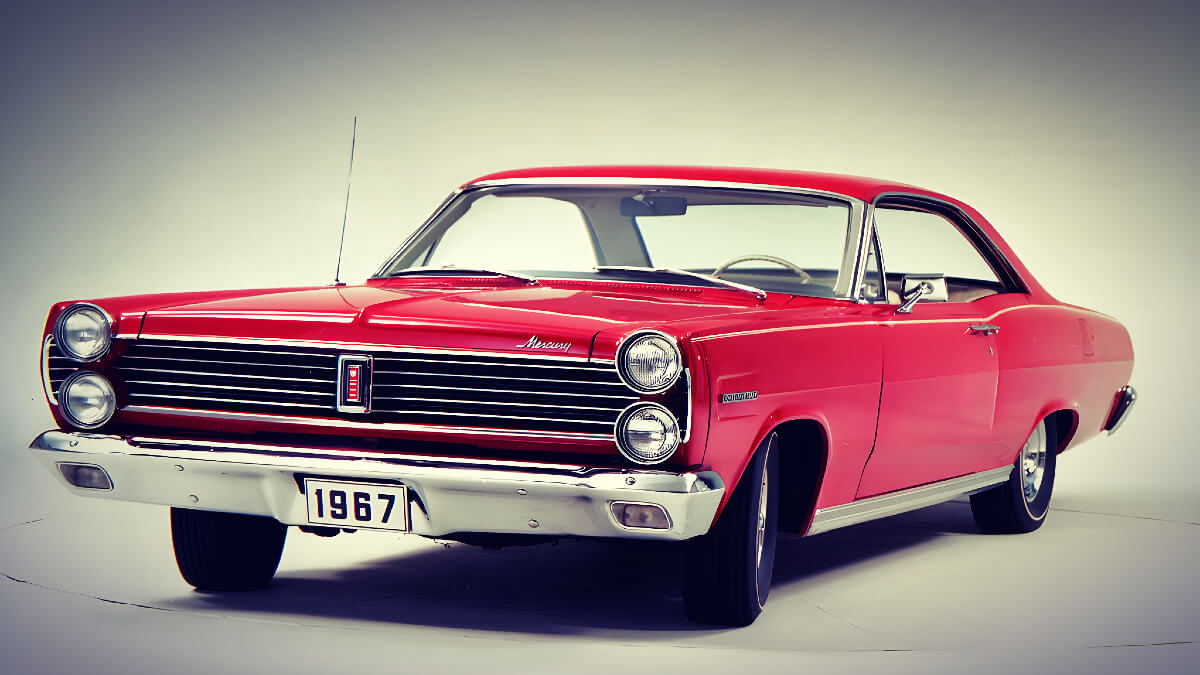
1967 Mercury Cyclone
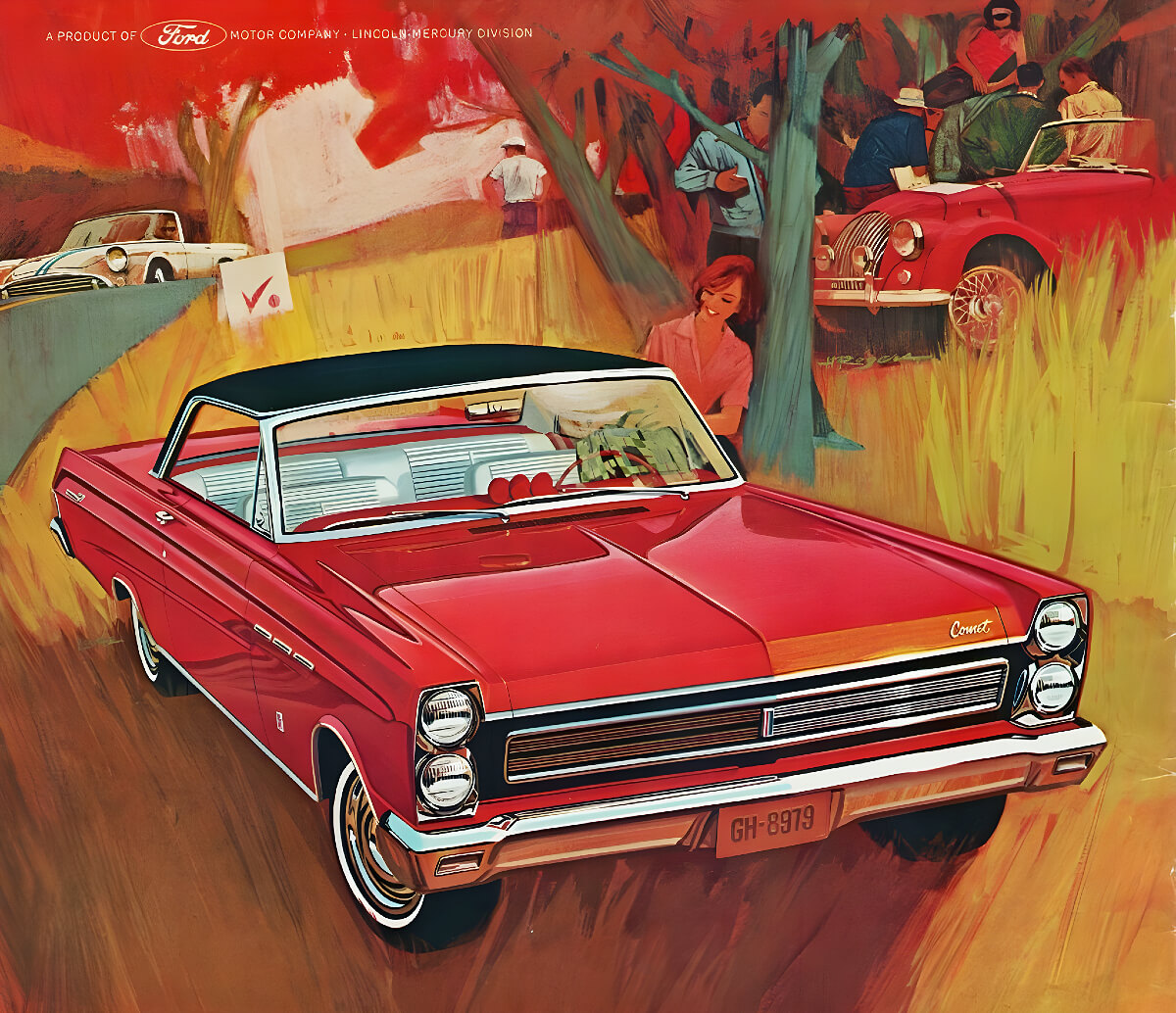
1965 Mercury Comet Hardtop
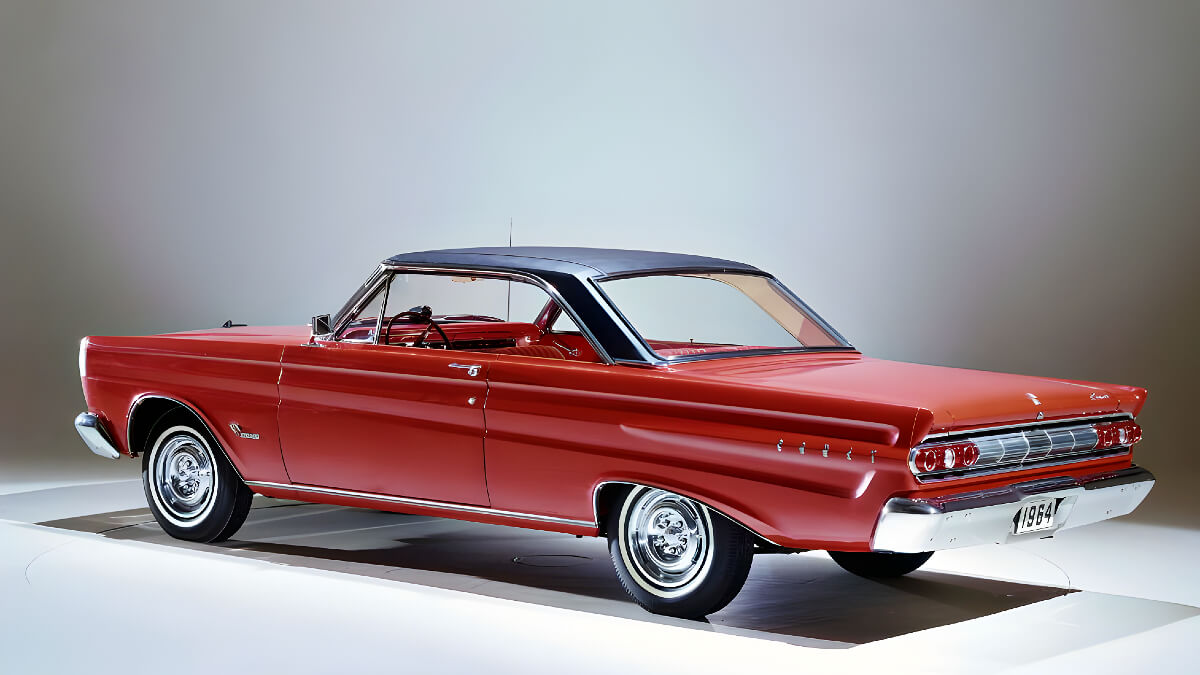
1964 Mercury Cyclone
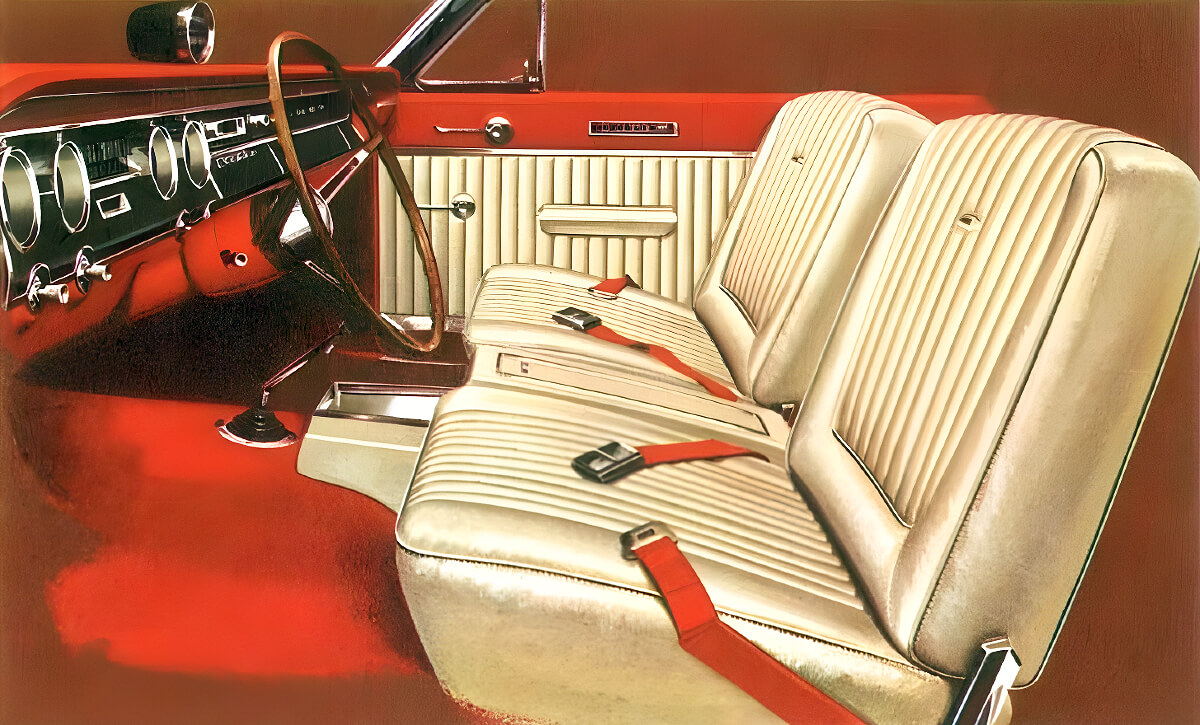
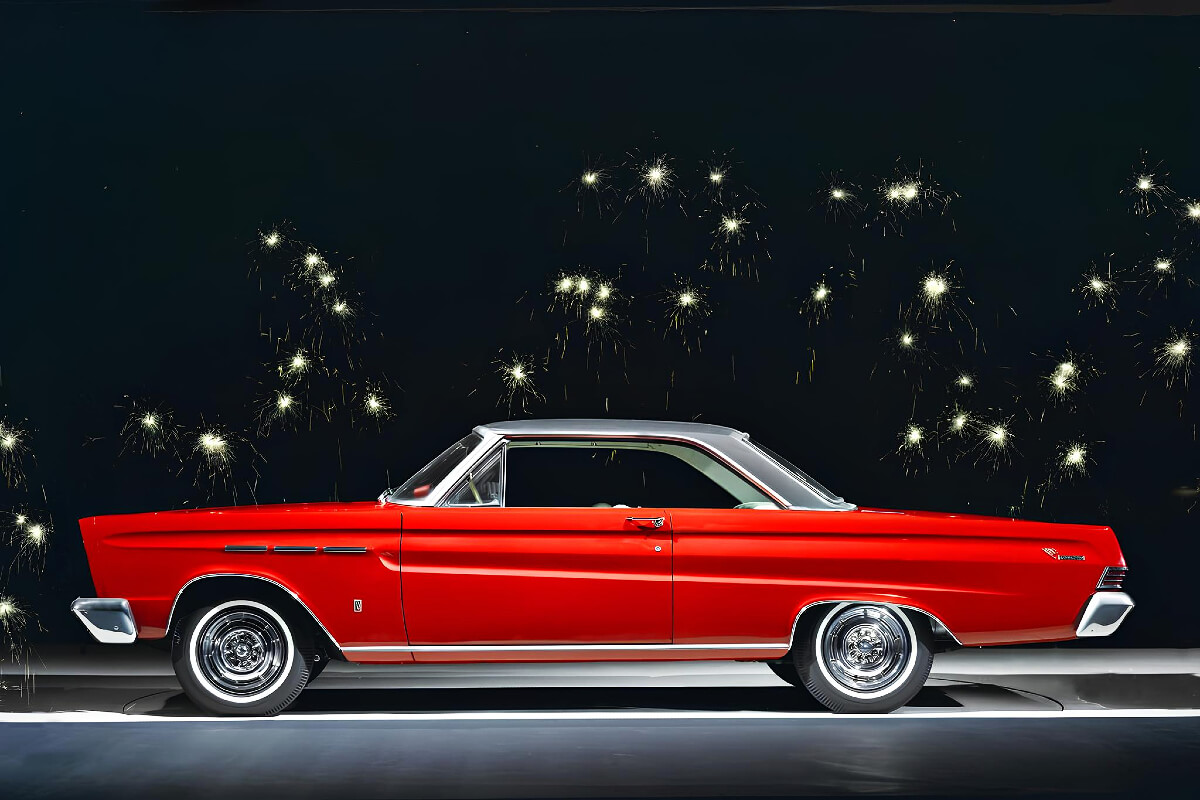
1964 Mercury Cyclone
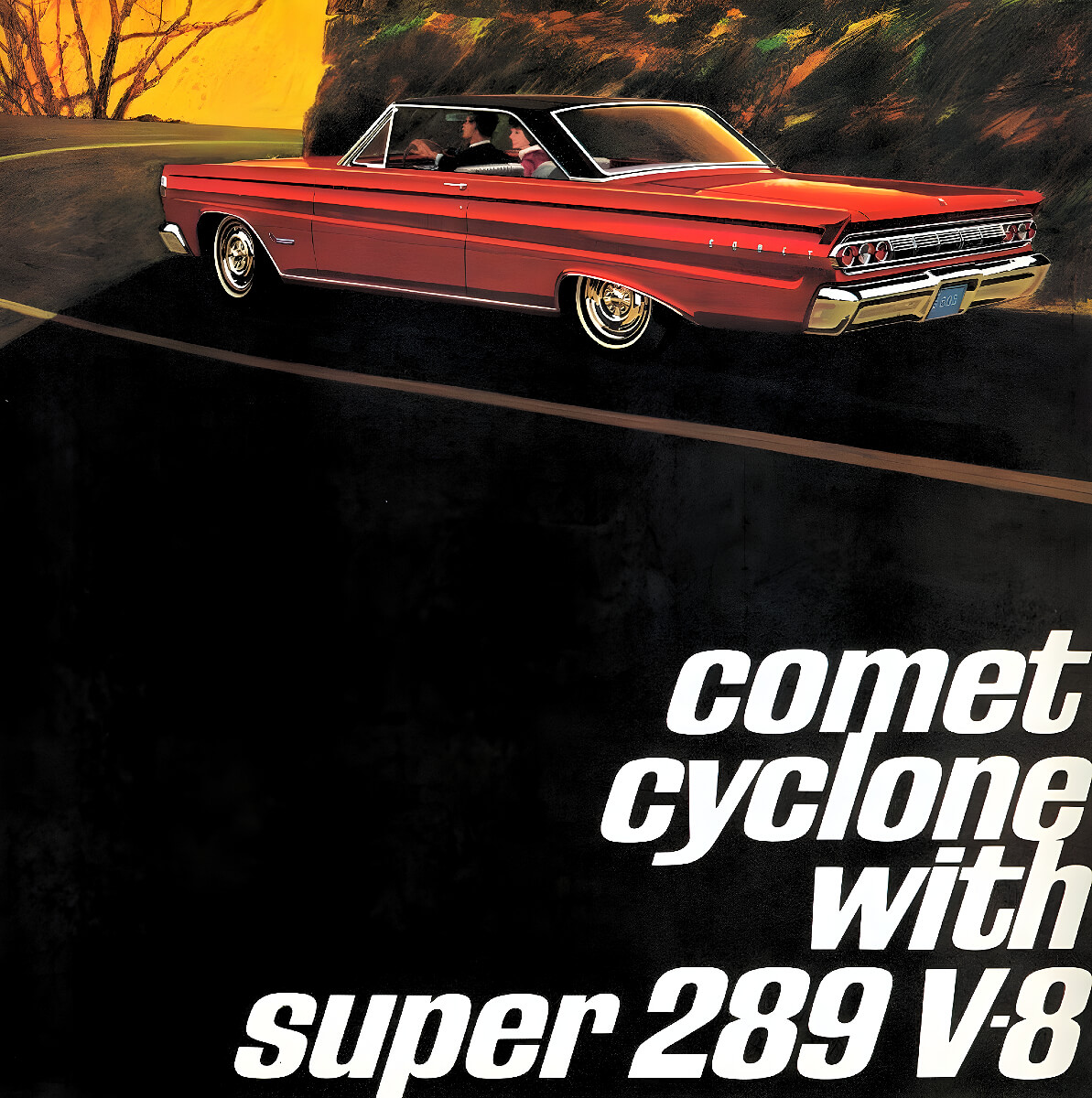
1964 Mercury Comet Cyclone
CHECKOUT: Ford Bronco turns 60
CHECKOUT: Aussie Capri one of rarest in the world