



Ford dream cars of the 1960s ranged from mild to wild.
Some boast breakthrough ideas, but almost all have been forgotten.
This is the first in a series that revisits the good, the bad and the “why did they do it?”
1966 Ranger II
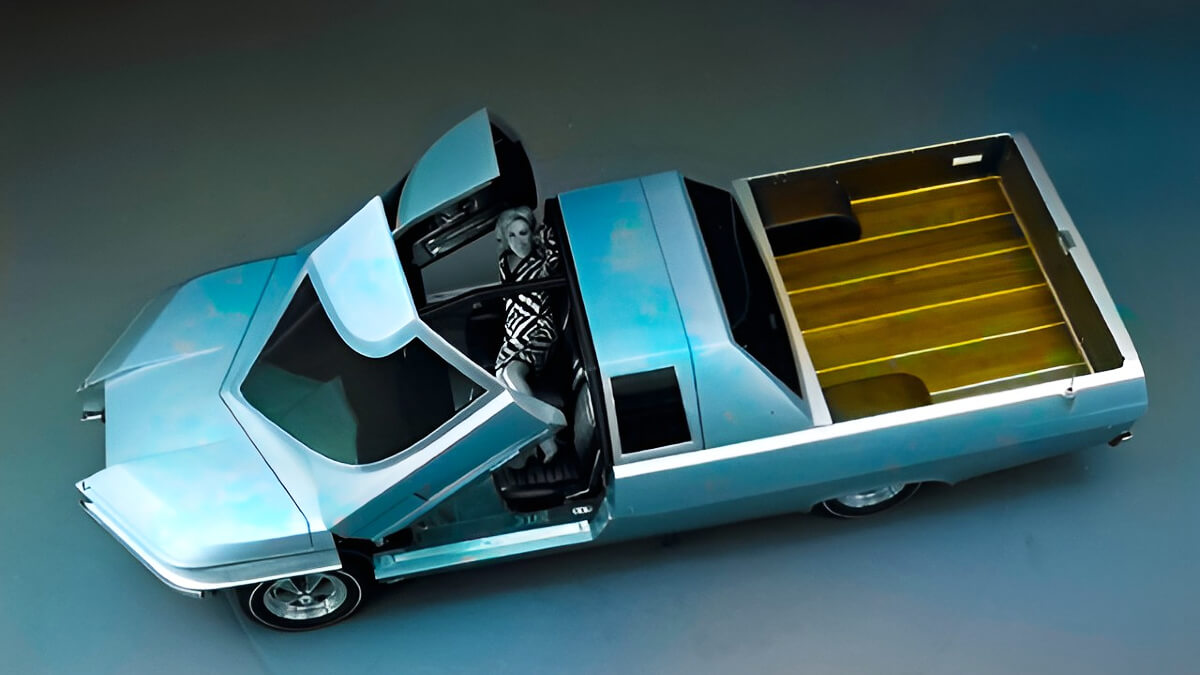
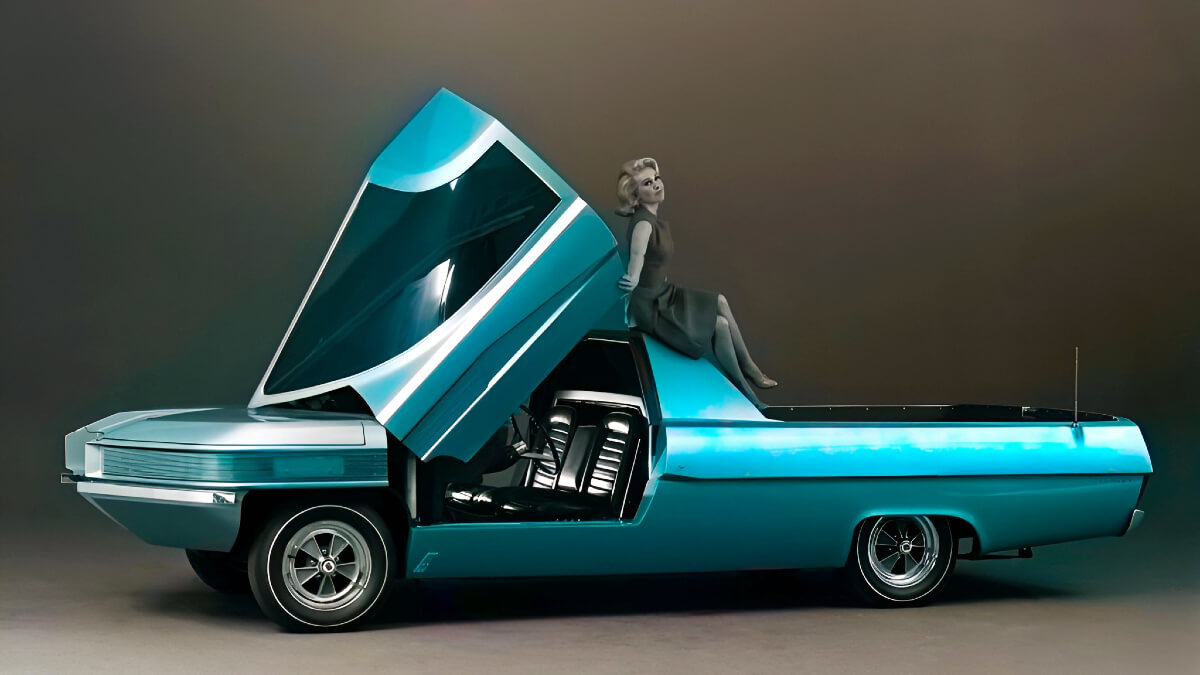
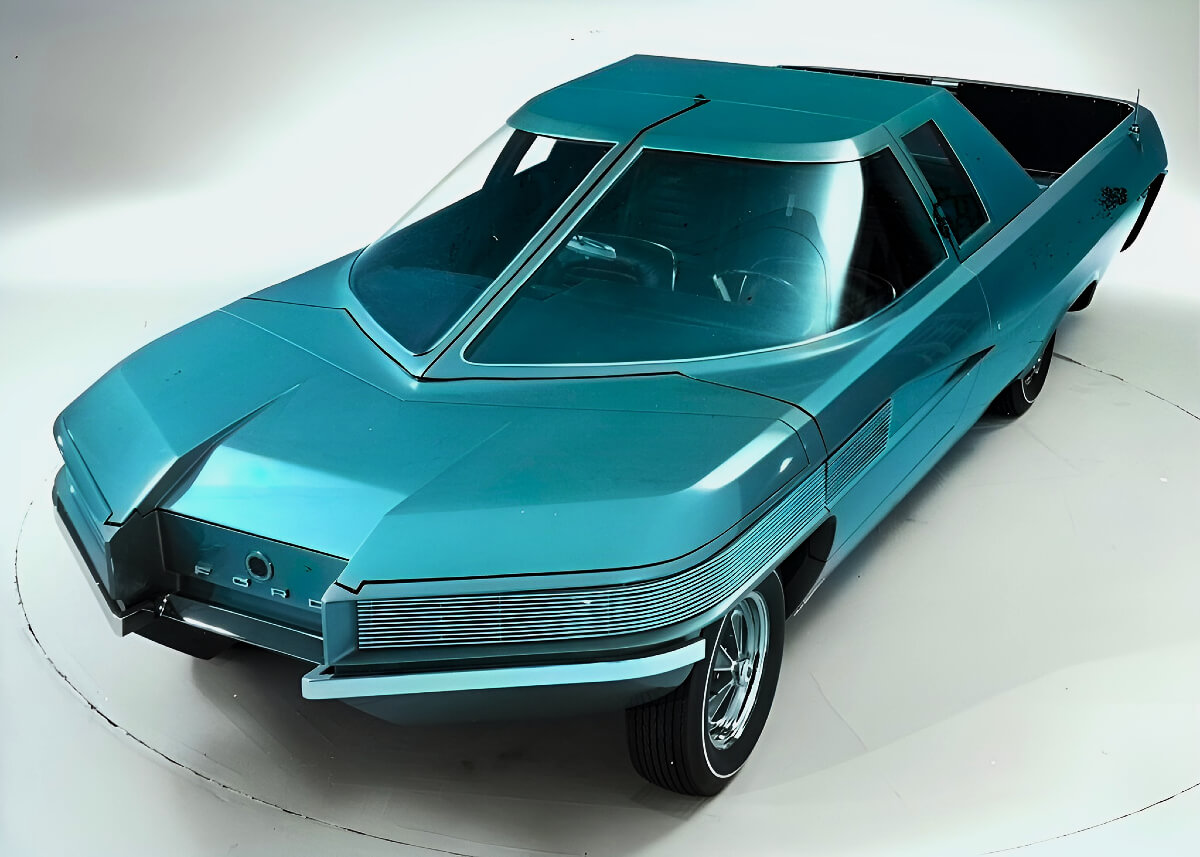
Designed by industrial design futurist Syd Mead, the groundbreaking Ranger II made a big impact.
The PR material is worth quoting in full:
“The unique show vehicle features a custom designed passenger compartment that expands at the push of a button from a pickup to a two-door sedan accommodating two additional passengers in the rear compartment.
“When a switch on the master control is activated, the rear portion of the cab moves 18 inches into the bed of the truck, a roof section moves up into position and two additional bucket seats fall into place.
“Other innovations include canopy doors that operate hydraulically and a forward-hinged hood that opens hydraulically by a switch on the master control.”
But wait, there’s more.
“The ultra-streamlined windshield of plastic-type glass, high intensity headlights, contoured bumper, extruded aluminium grille, and a Clearwater Aqua finish give the vehicle a look of the future.
“The cargo bed bas walnut flooring, courtesy lights, aluminium loading rails, vinyl-covered side panels and padded wheel housings.
“The interior features contoured bucket seats, power steering, tilt-away steering wheel, automatic transmission, AM/FM radio and air conditioning.”
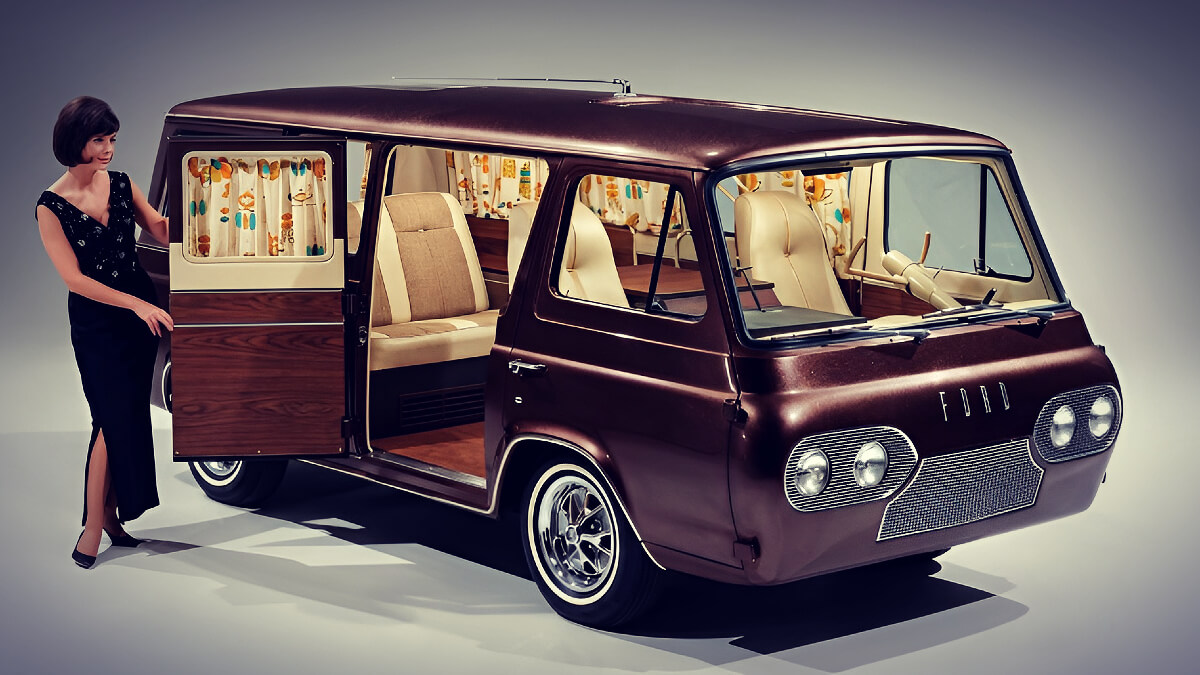
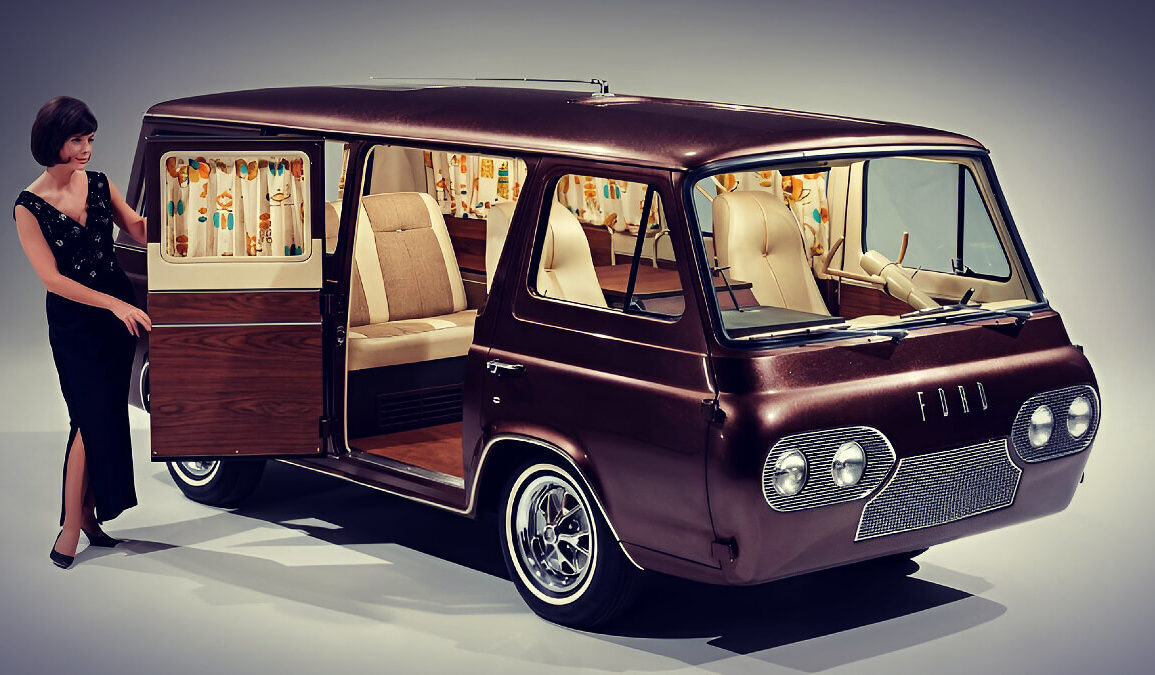
1966 Apartment
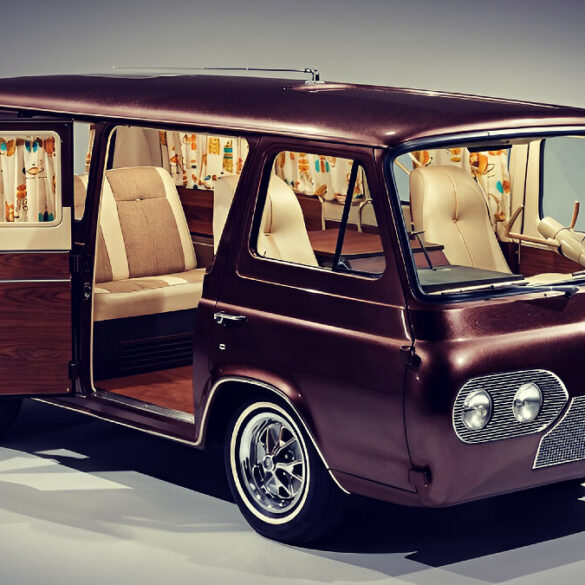
The roof of a Ford Econoline was chopped seven inches/180mm to create the Apartment.
And a 289-cubic inch/4.9 litre V8 was shoehorned into the engine area, which sits between the front seats.
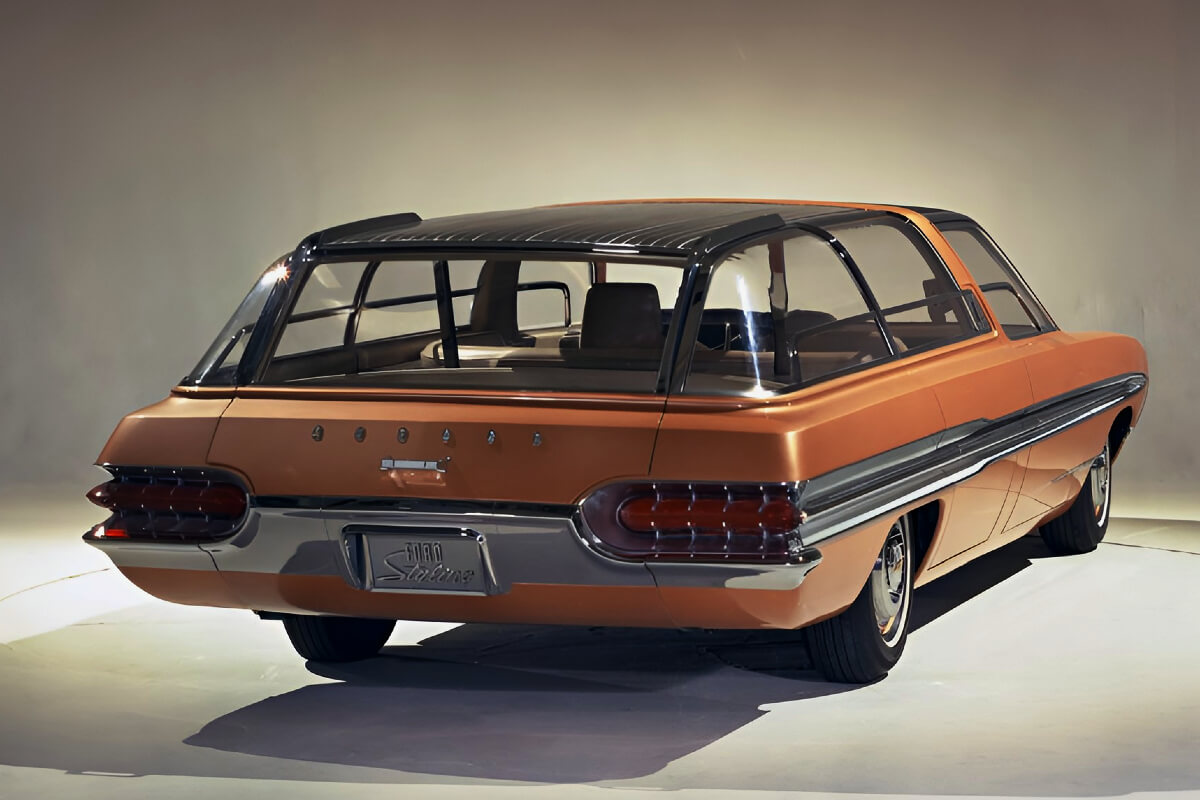
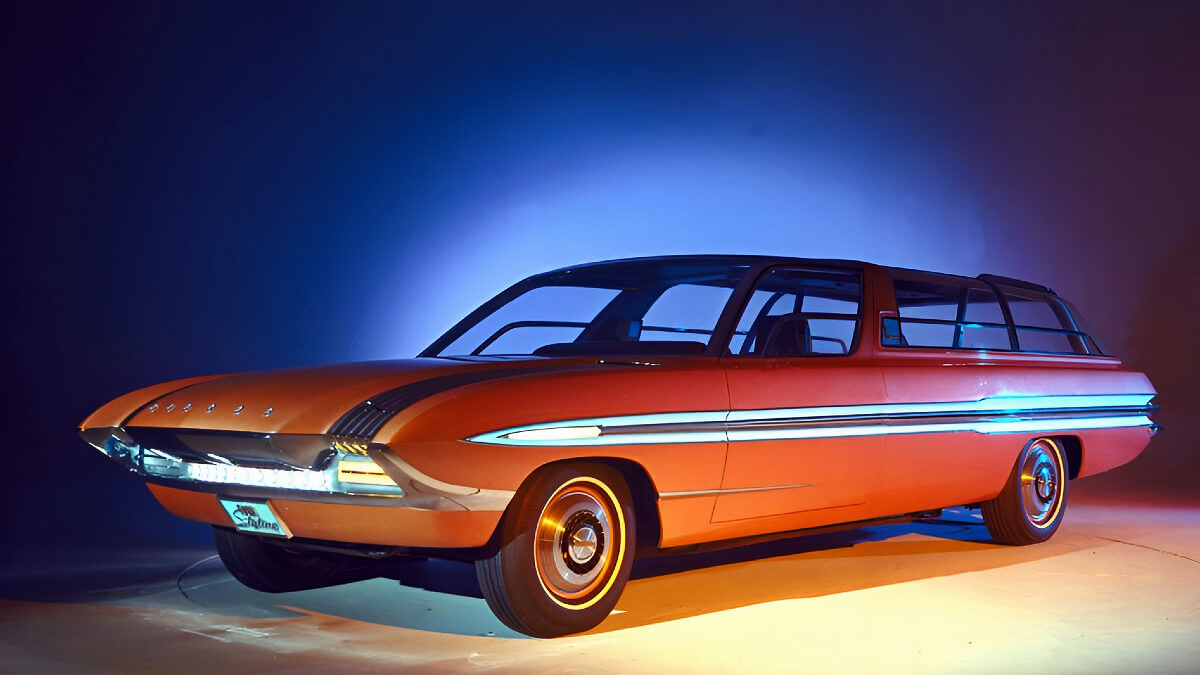
1964 Aurora I
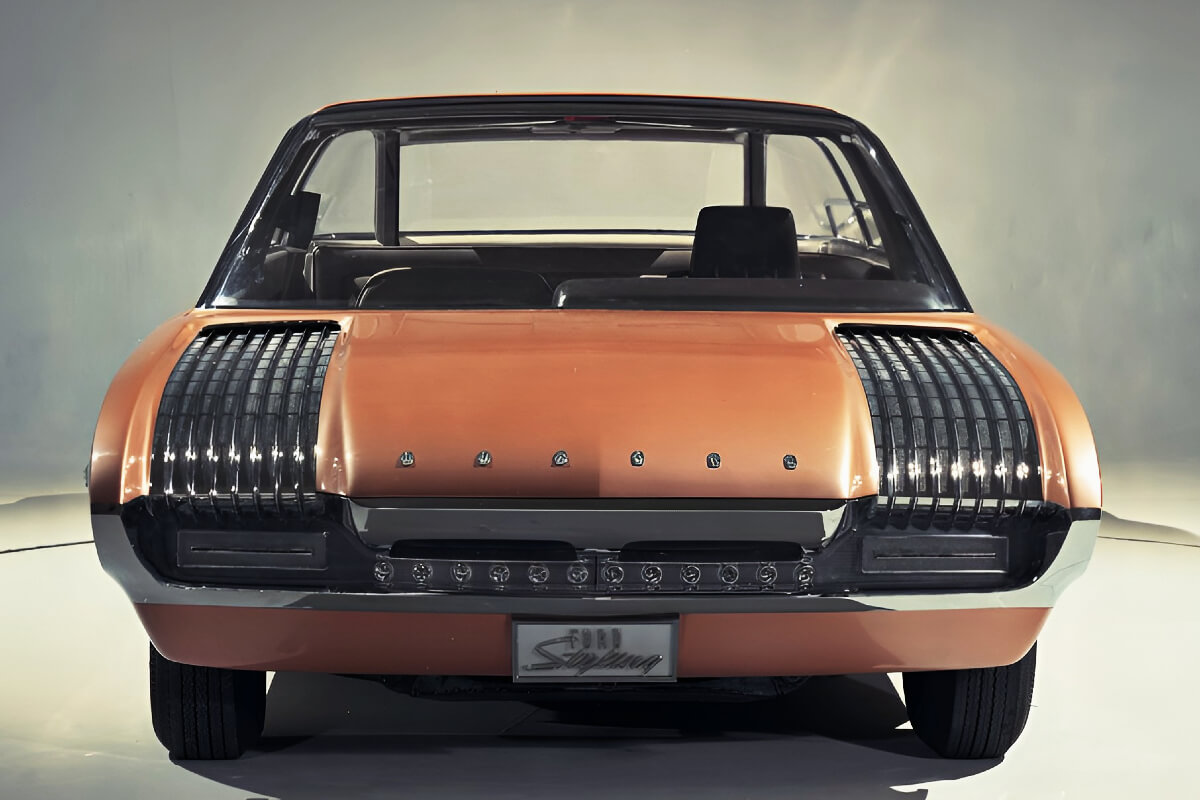
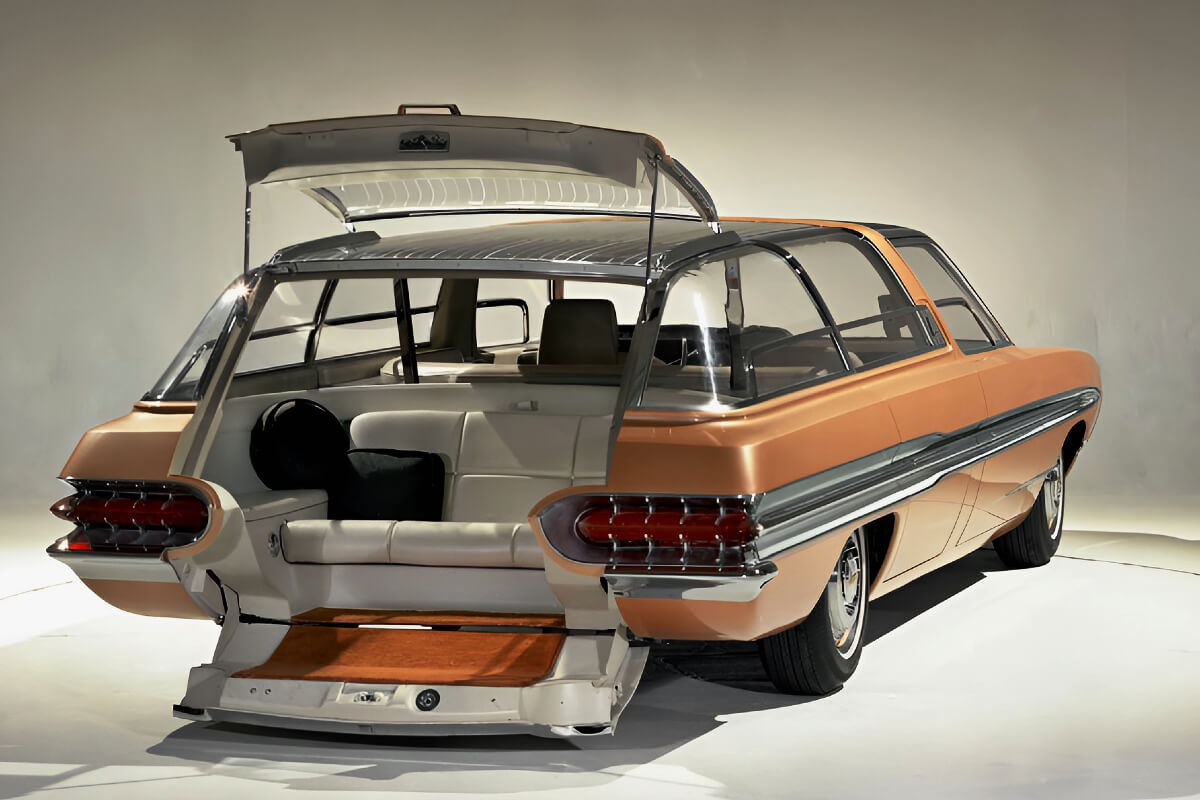
The PR blurb for the 1964 Aurora station wagon boasted that it was the “star attraction at Ford Motor Company’s display of practical dream cars at the (1964) New York World’s Fair, (and) derives its name from its many unusual devices for the production and control of light.”
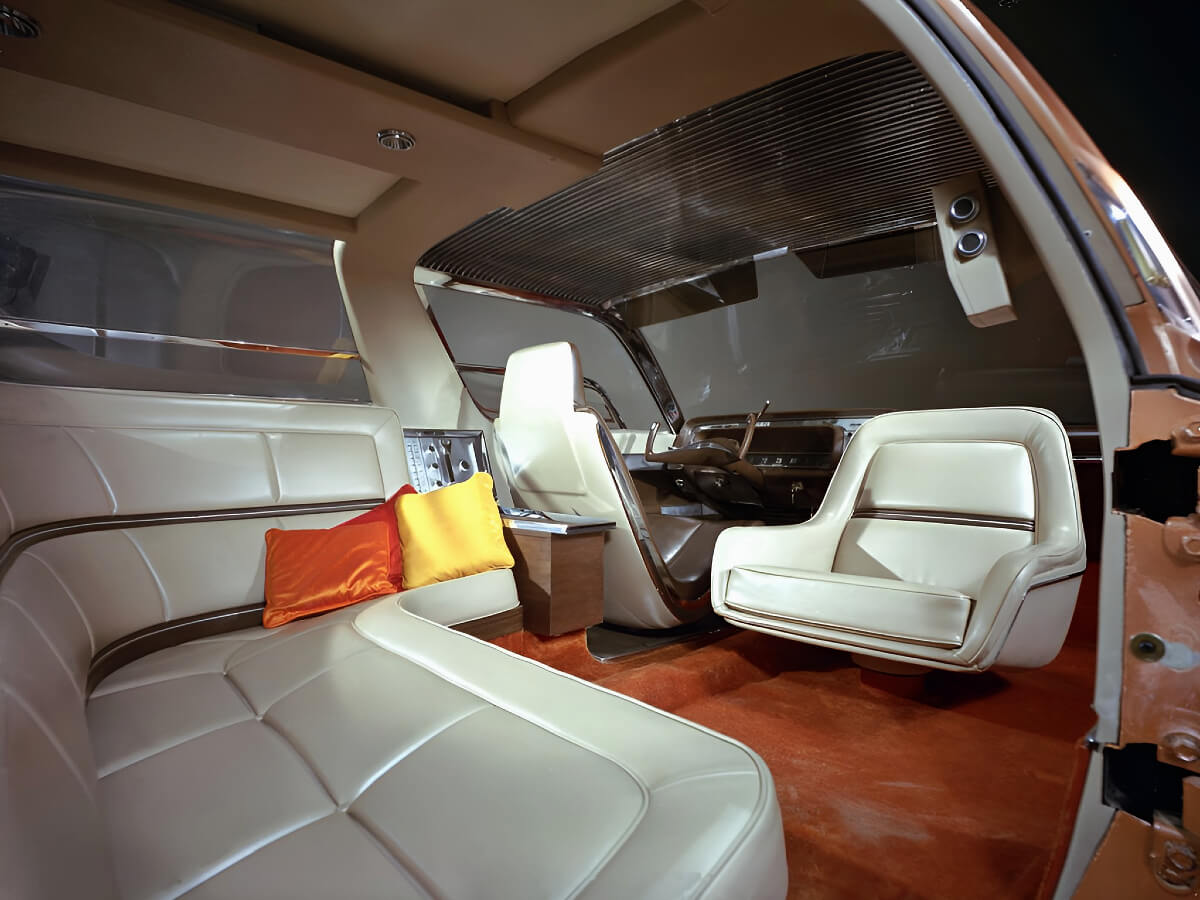
The roof was polarised glass. Inside could be found a TV, refrigerator and tape recorder.
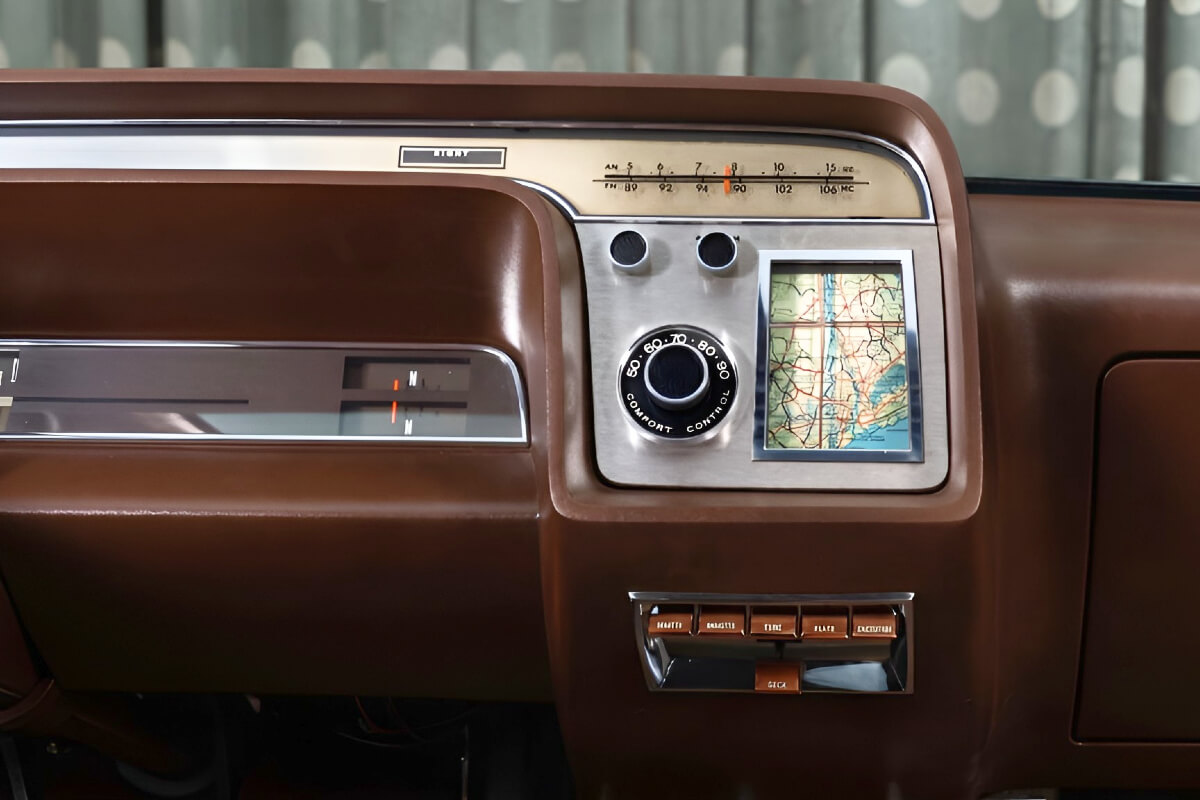
The driver was located in the “command post”, aided by a map reader.

The adult passengers luxuriated on curved sofa and swivel seat.
Common Thread
The common thread of these three concepts is versatility.
The car is envisioned not just as a thing to drive.
It is a place where life happens.
From theses idea cars came today’s SUVs and minivans.
David Burrell is the editor of retroautos
CHECKOUT: Fortunately, Ford didn’t ‘cop’ the Zephyr
CHECKOUT: Rally win put Hunter on the map