


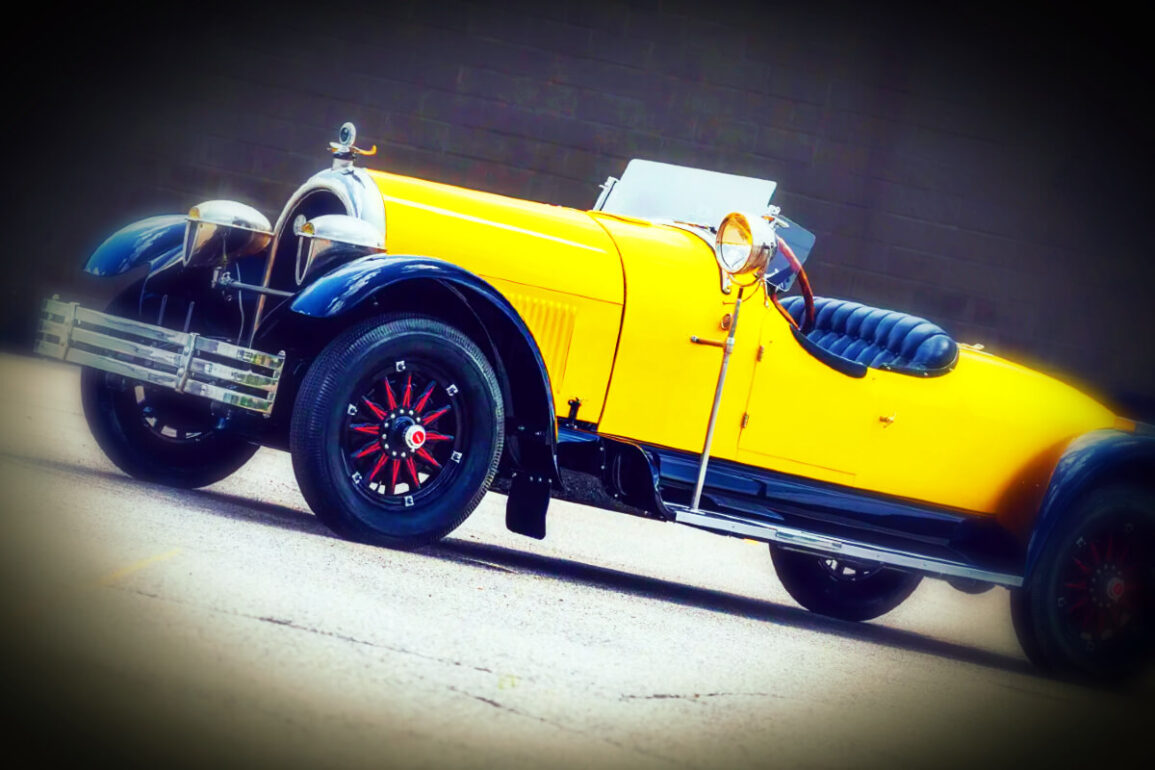

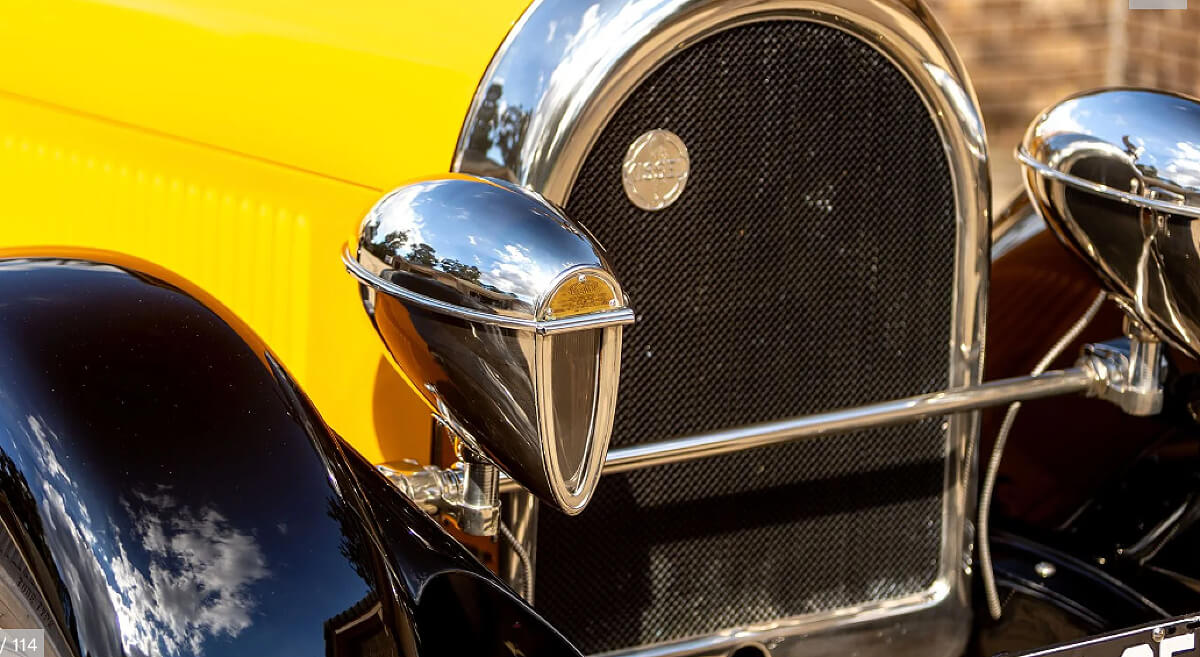
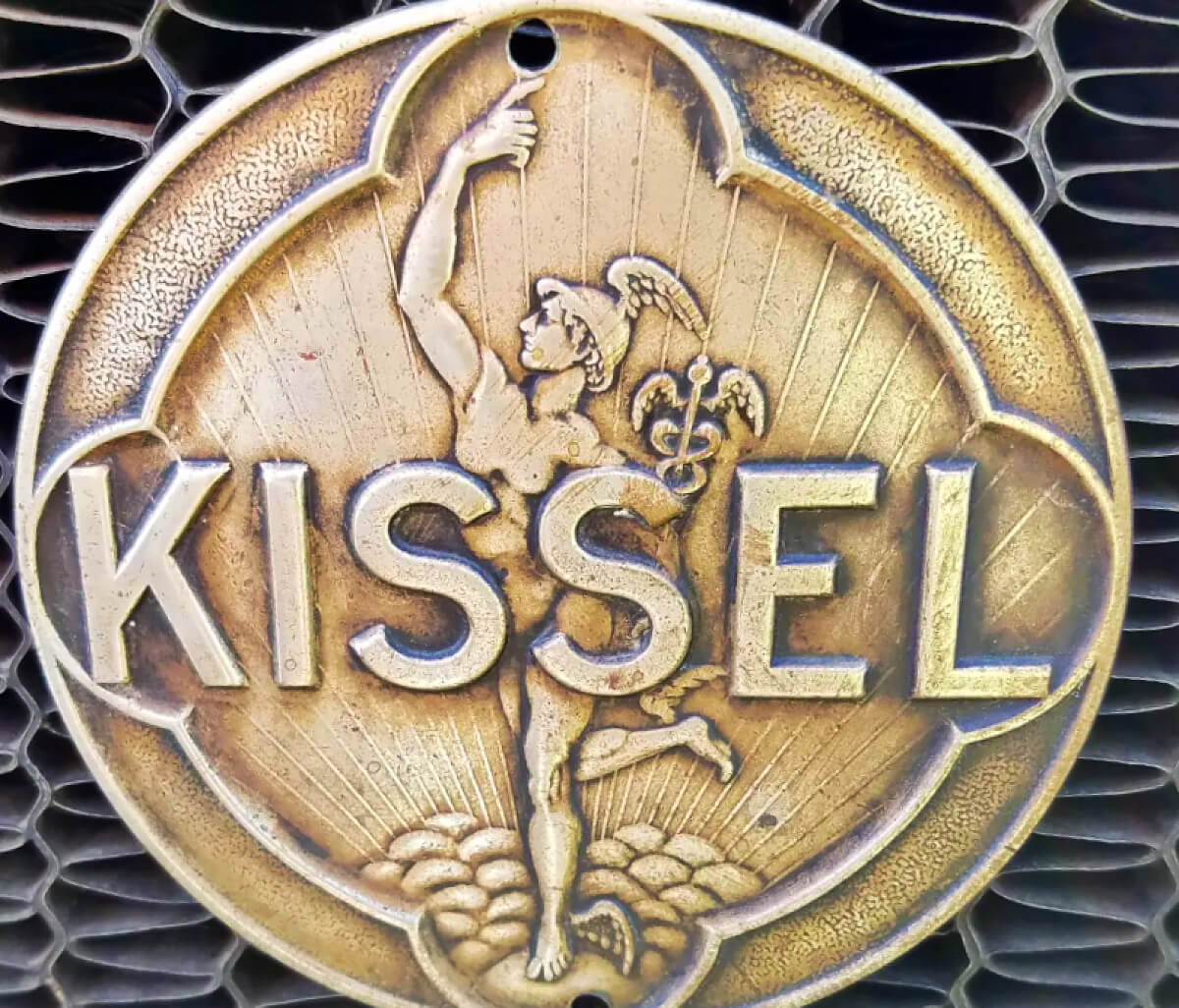
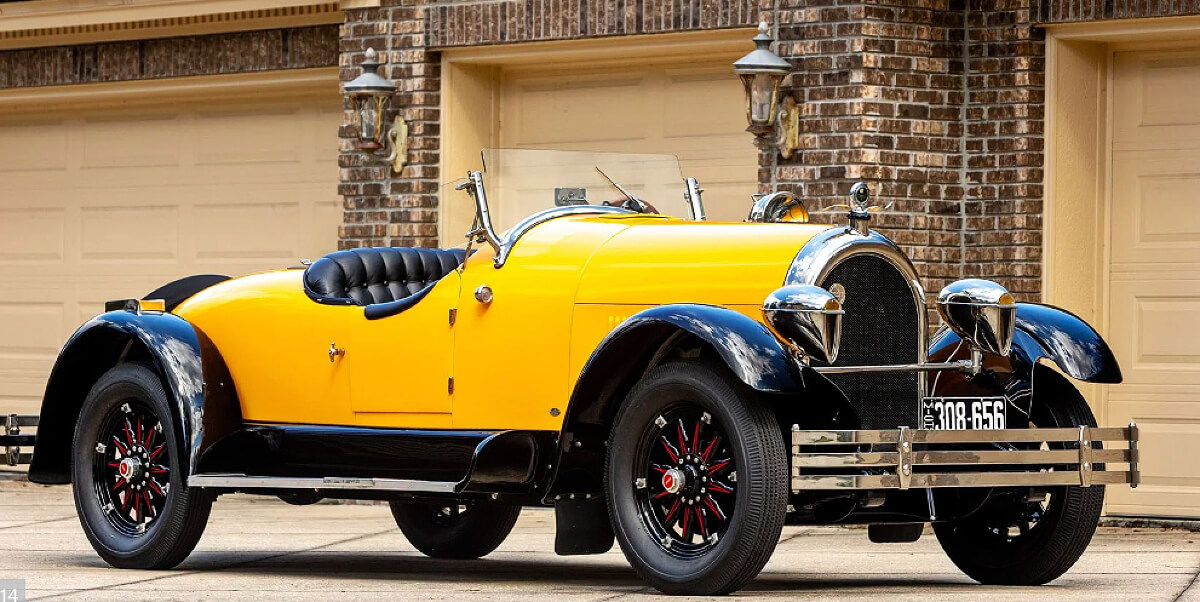
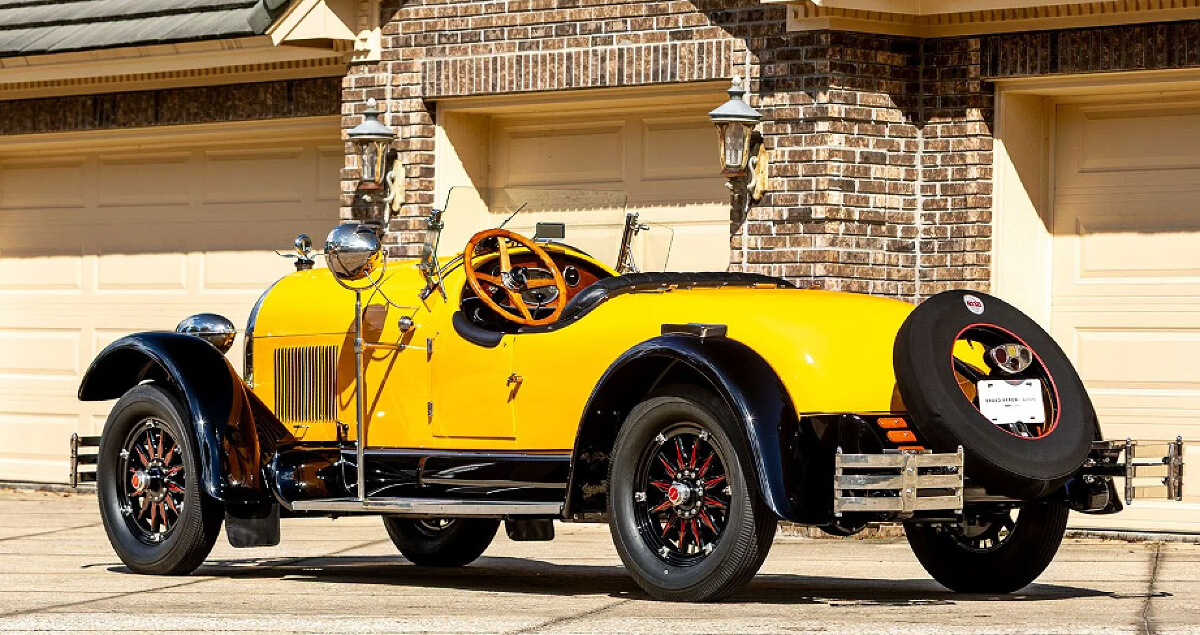
ONE of the star cars of the ‘roaring twenties’ was the Kissel Speedster, better known at the time as the ‘Gold Bug’.
That’s because they were all finished in a distinctive shade called ‘chrome yellow’.
Today, only about 40 of them are known to have survived, with one, a 1924 model, said to be somewhere in NSW.
The Gold Bug was a true masterpiece, epitomising the Kissel Motor Car Company’s essence.
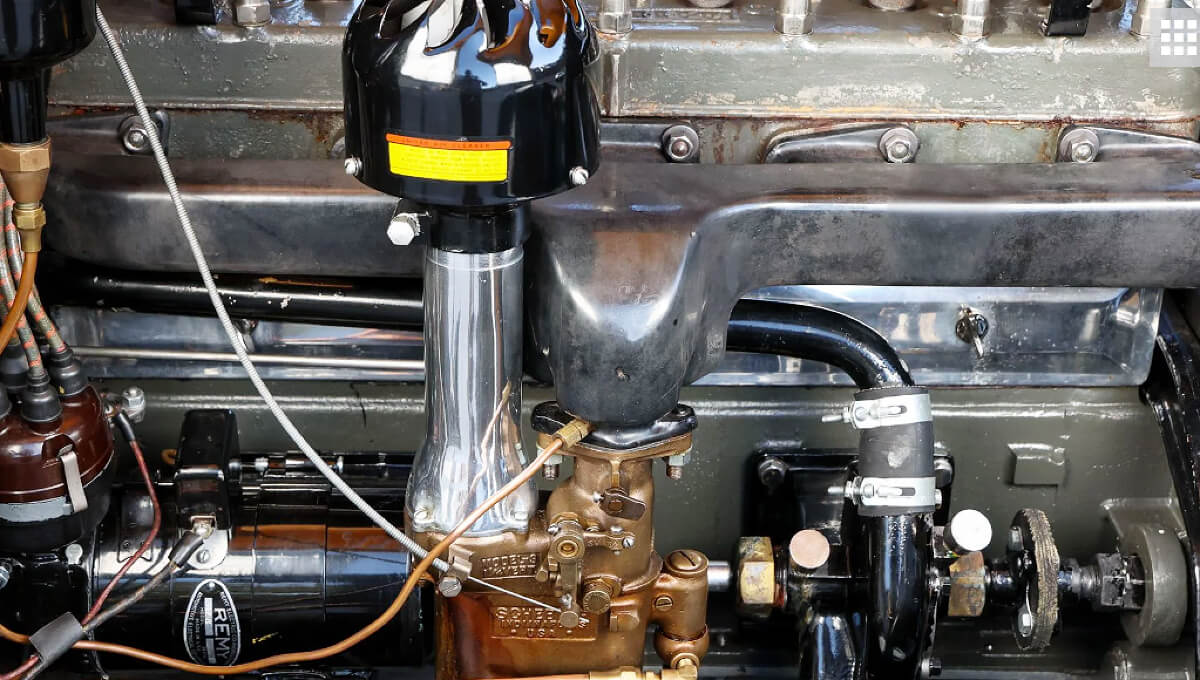
It was a work of art, featuring a sleek, aerodynamic design and formidable six-cylinder engine capable of taking it to a top speed of 70 mph — about 115km/h.
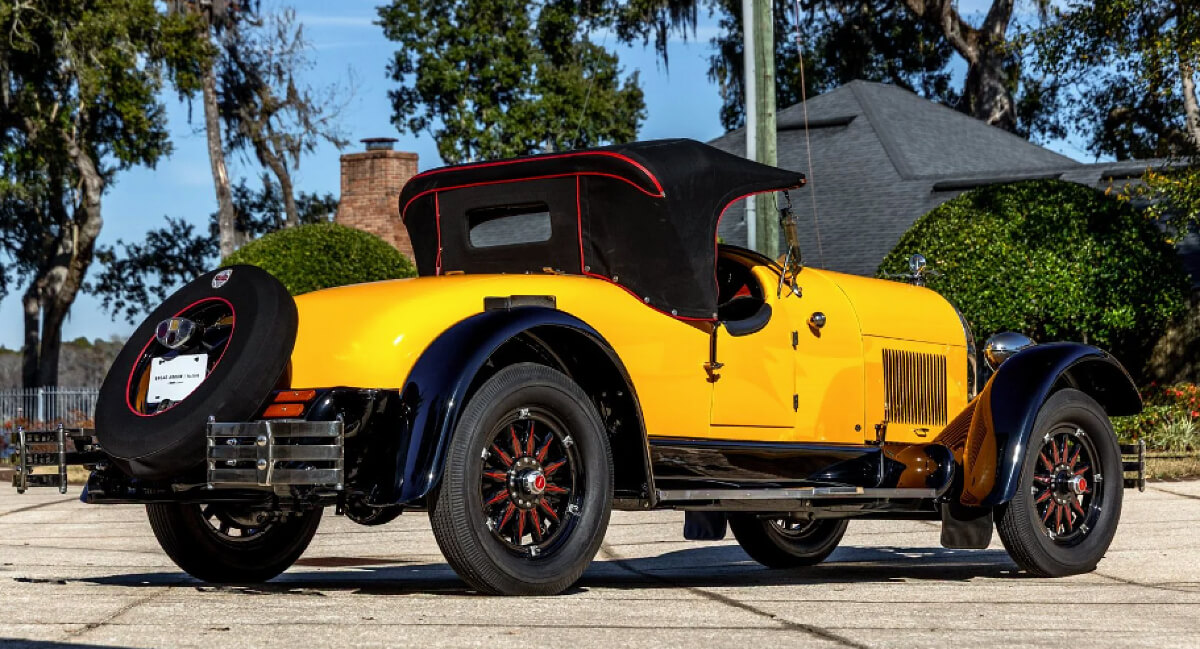
There was also a version with an eight-cylinder motor that was the hero of a recent sale at Broad Arrow Auctions in the US, where it fetched US$201,600 (about $280,000 Aussie).
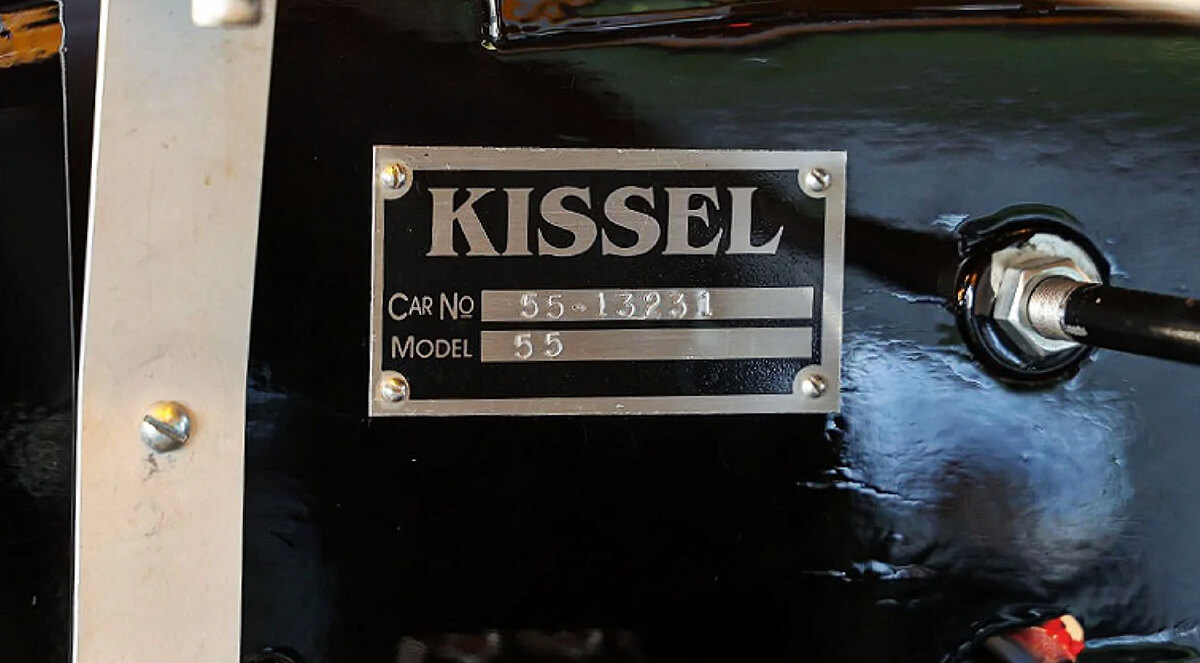
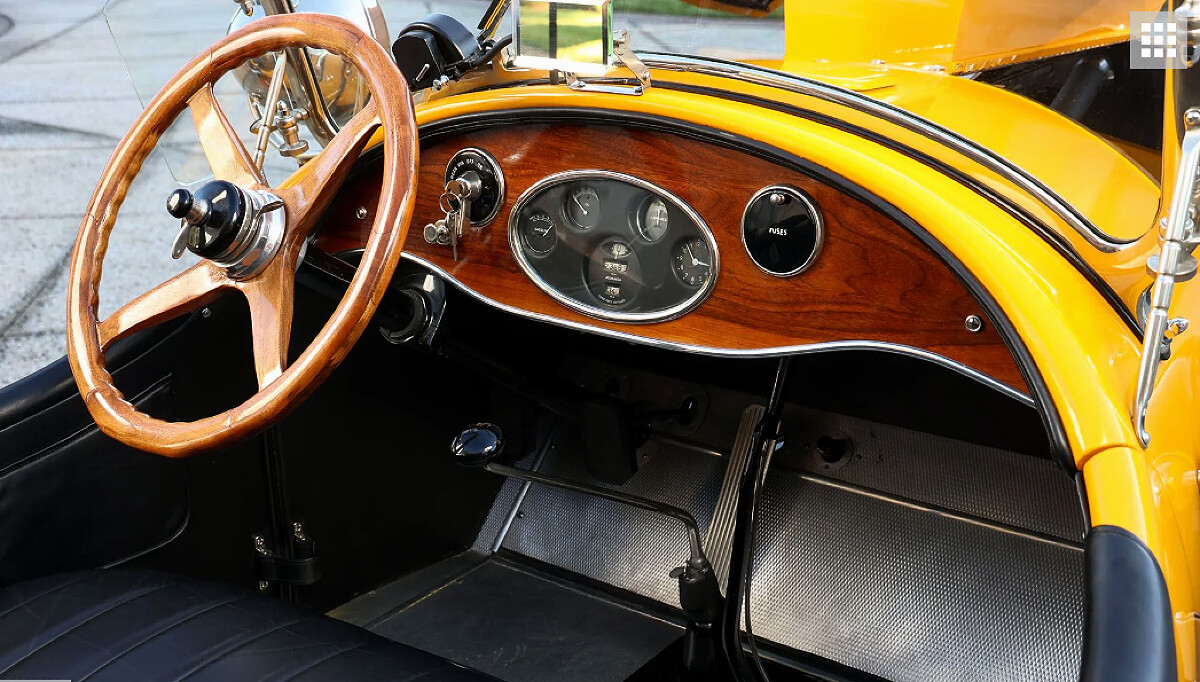
That one, a 1926/7 Kissel Model 55 Gold Bug Speedster came with a heavily documented past that reflected a premium standard of restoration.
It was an established highlight within major classic car circles, having previously resided in the Stanford Block collection for nearly 15 years before joining the prestigious Terence E Adderley Collection.
It underwent a concours-quality restoration, the body finished in Kissel’s iconic chrome yellow with contrasting black mudguards and its mid-to-late production birth which included four-wheel hydraulic brakes, a substantial upgrade over the two-wheel mechanical brakes of early Gold Bugs.
It is also equipped with the coveted and ultra-rare period Wood-Lite headlights and a rear-mounted spare tyre.
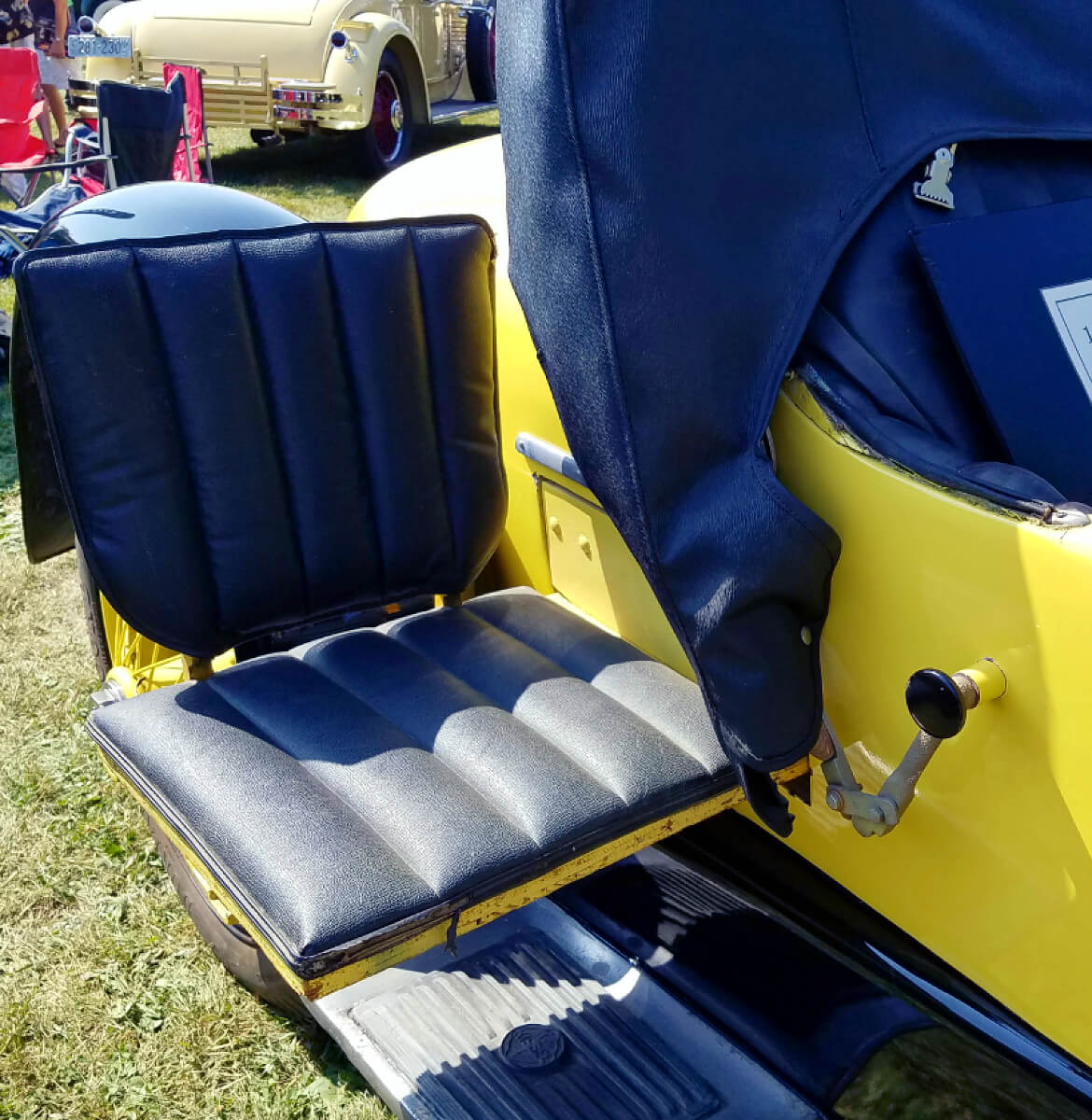
A most unusual feature of the Gold Bugs was the slide-out seats, one on either side, that would allow celebrities (or very brave passengers) to ride along, presumably at low speed at special functions. But, who knows…
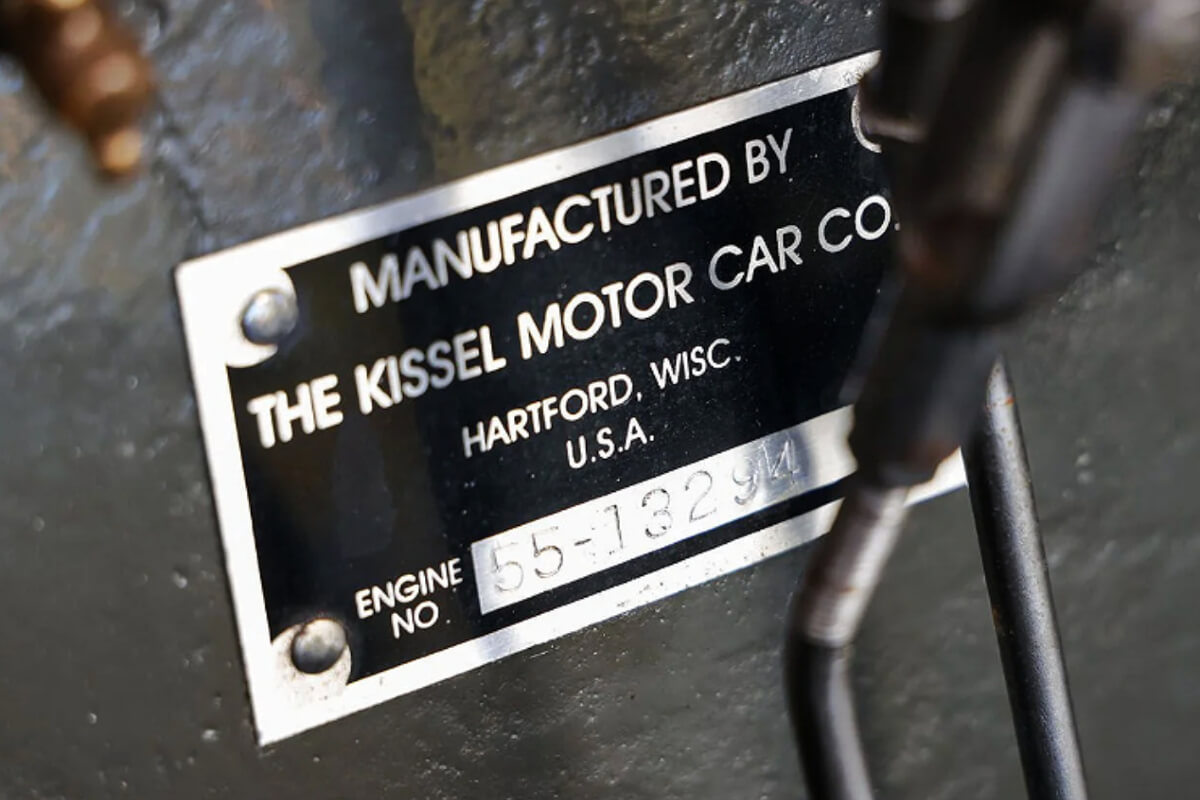
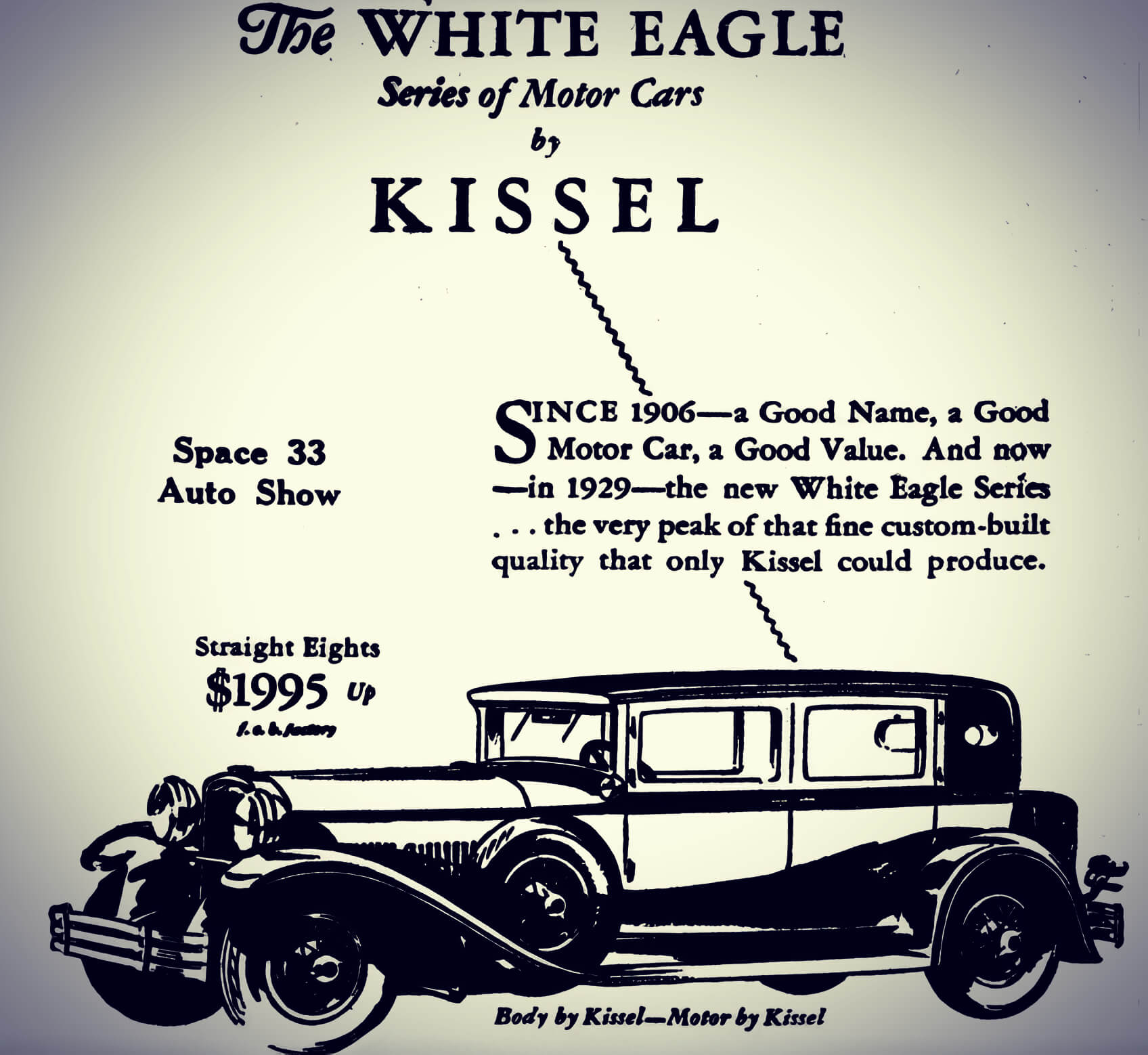
Based in Hartford, Wisconsin, the Kissel Motor Car Company operated from 1906 to 1930
It was launched by Louis Kissel, born in 1839 in Prussia, who migrated to the United States when he was 18 and became one member of the substantial German population of that area of Wisconsin.
Louis was a farmer, and married to Catherine Frey, also of German parentage.
He started selling implements and machinery and in 1883, established a hardware store.
As well, Louis Kissel was the mayor of the city of Hartford, from 1894-1895.
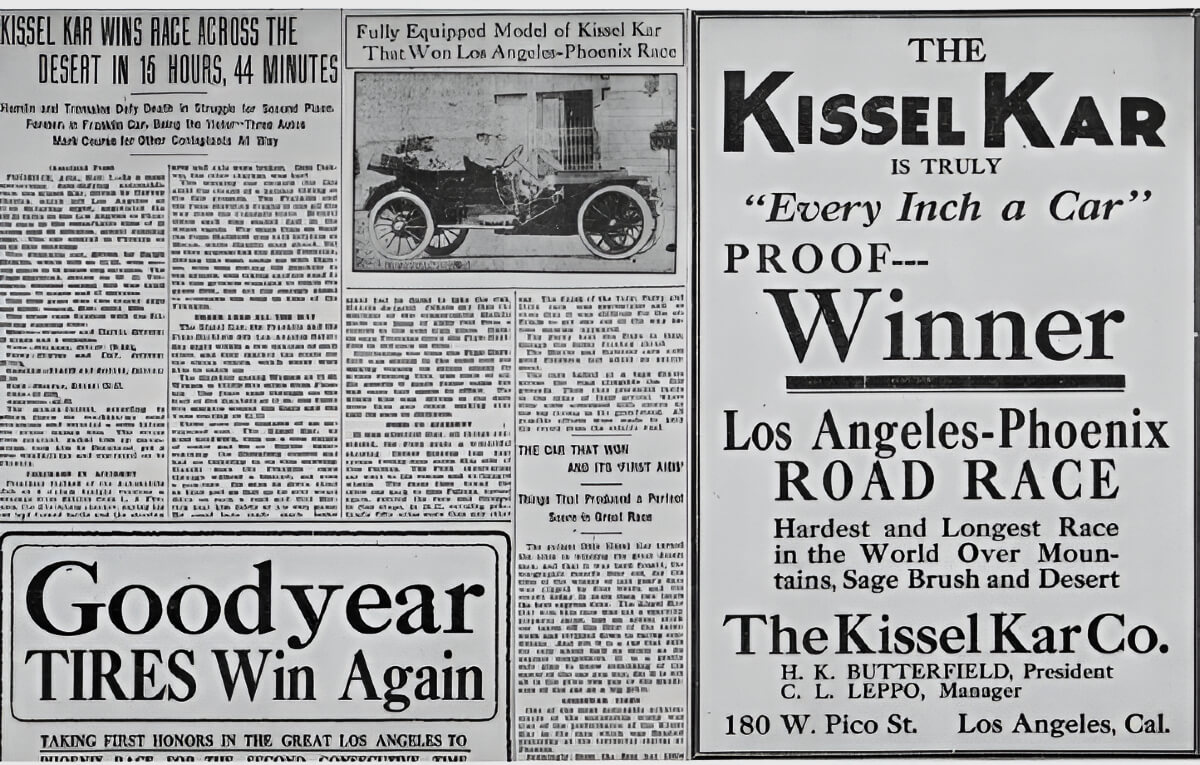
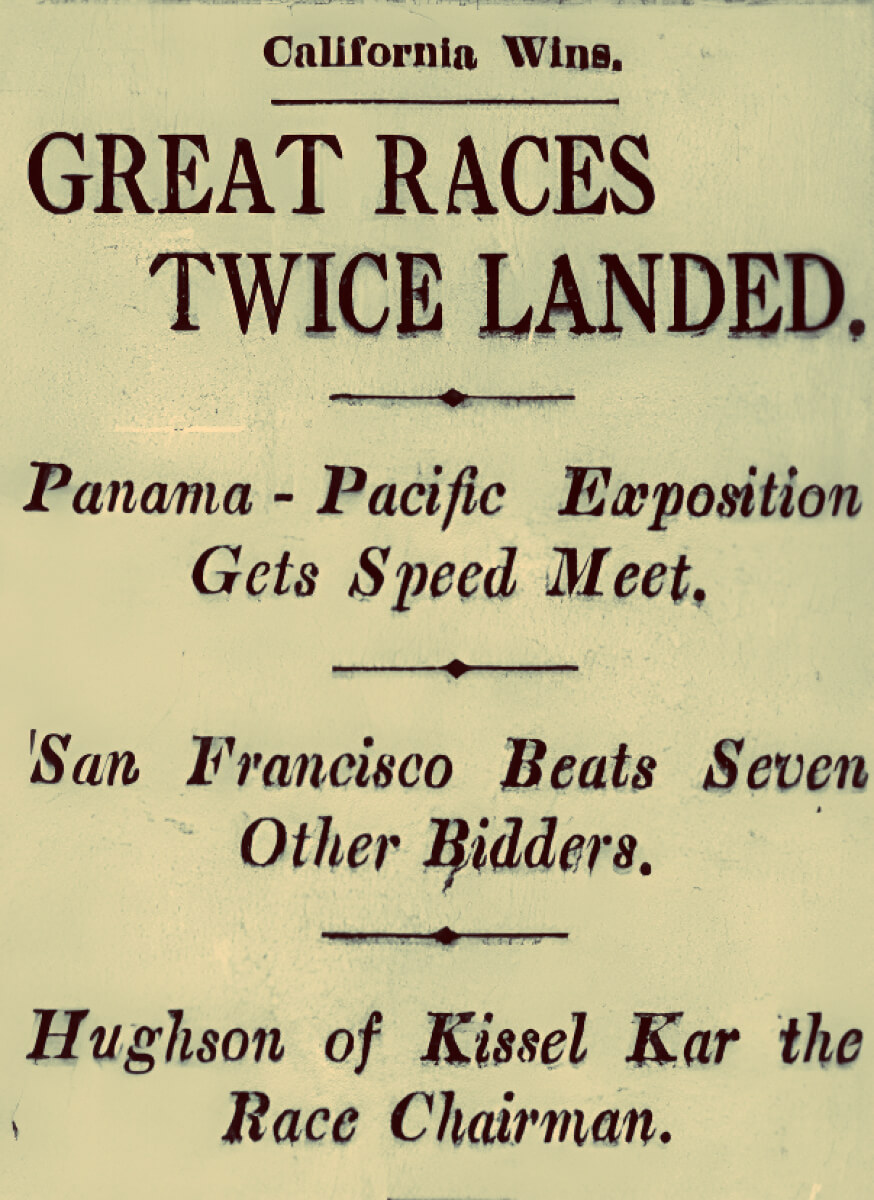
The Los Angeles Express, in April 1907, reported that Louis and his sons Adolph, George, Otto and William, set up the Kissel Motor Kar Company in June, 1906 with with a capitalisation of $50,000.
They had about 70 employees and the style and quality of his products soon made his brand famous.
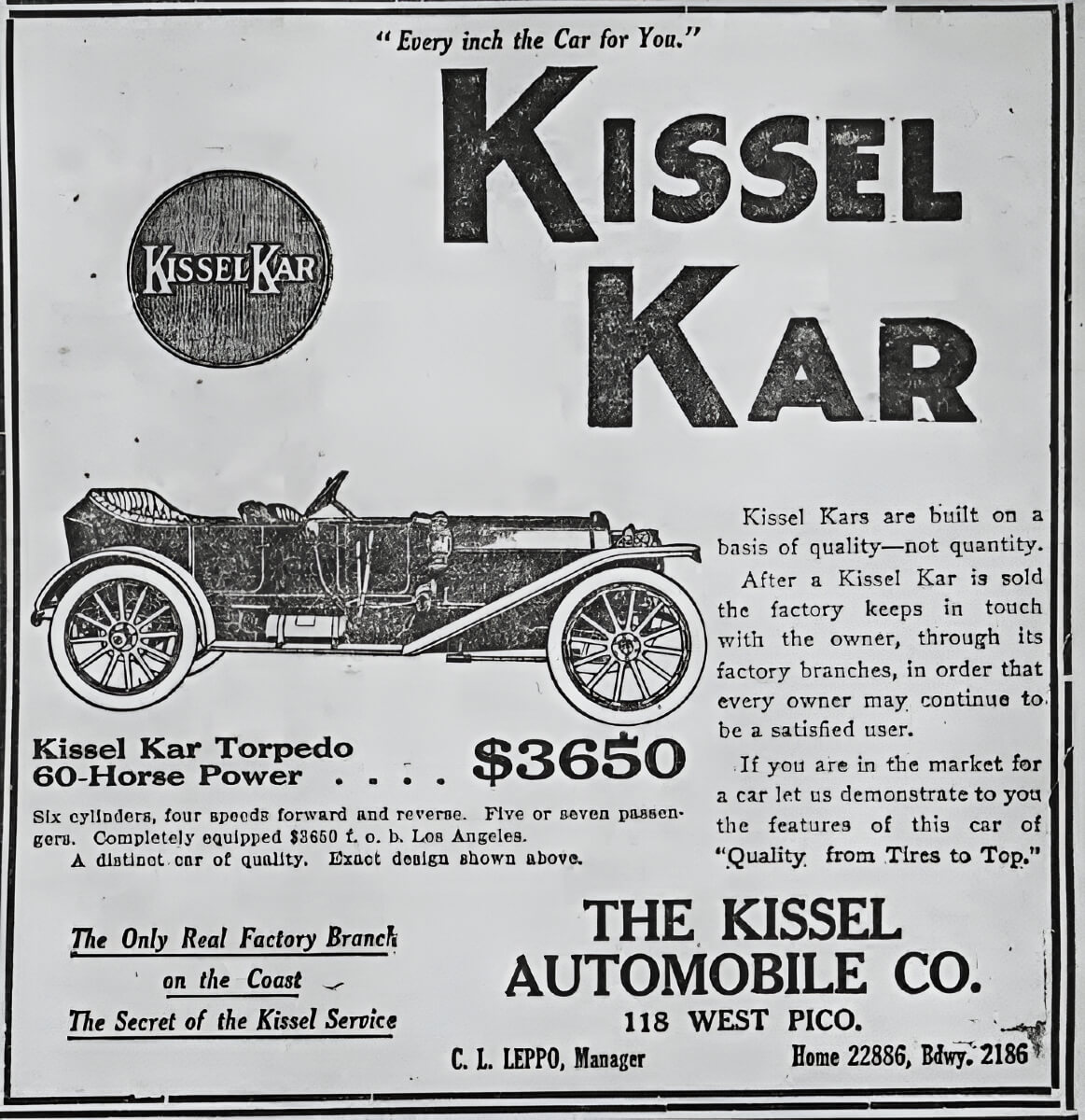
Kissel next opened a “factory branch” in Los Angeles, in partnership with US District Attorney H K Butterfield and was the first car company to do so.
LA was a long way from Hartford, but had a very much larger population.
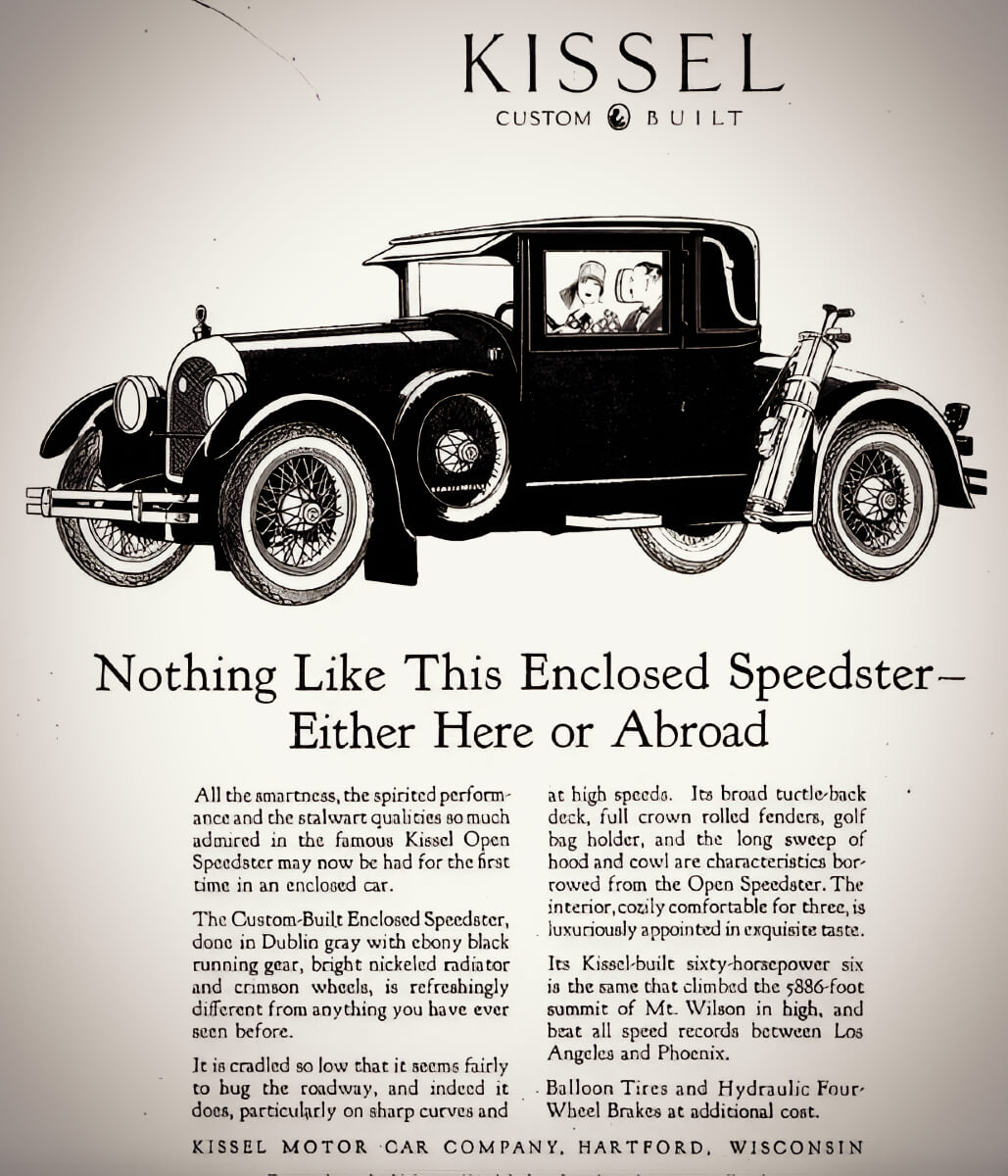
An early 1907 advertisement in the Los Angeles Express described Kissel as “the greatest automobile value ever shown” as the four-cylinder, 30-horsepower car had “nothing cheap but the price — $2000 delivered.”
The company produced a total of some 35,000 vehicles in its 25-year run (1906–1931), the vast majority of which were passenger cars, custom speedsters, like the Gold Bug and specialty vehicles like taxis, ambulances and hearses.
The Gold Bugs were a pricey $3475, which is why mostly celebrities could afford one.
Buyers included Amelia Earhart, Rudy Vallee, Greta Garbo, Douglas Fairbanks, Mary Pickford, Fatty Arbuckle and sports heroes like boxer Jack Dempsey and 1915 Indy 500 winner Ralph DePalma.
The Wisconsin Automotive Museum in Hartford proudly houses some of the surviving Kissels, including the car donated by the Kissel Motor Car Company to Hollywood actress Anita King for her transcontinental trip in 1915, which marked the first such journey by a female driving alone.
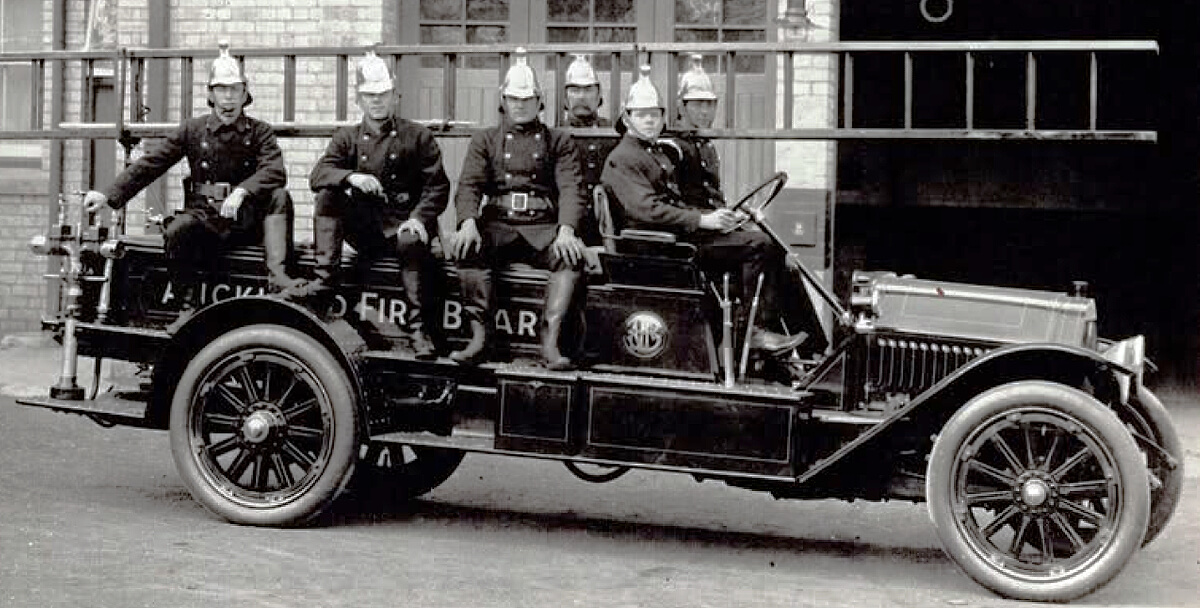
Kissel also built a well-regarded range of commercial and fire trucks—including about 2000 military trucks during World War I, but passenger cars were their core business.
While Kissels sold well until the Depression, of the circa 35,000 made, it’s estimated just 150 survive, and the Hartford museum has 27.
The world’s remaining Gold Bugs numbers are estimated at around 40.
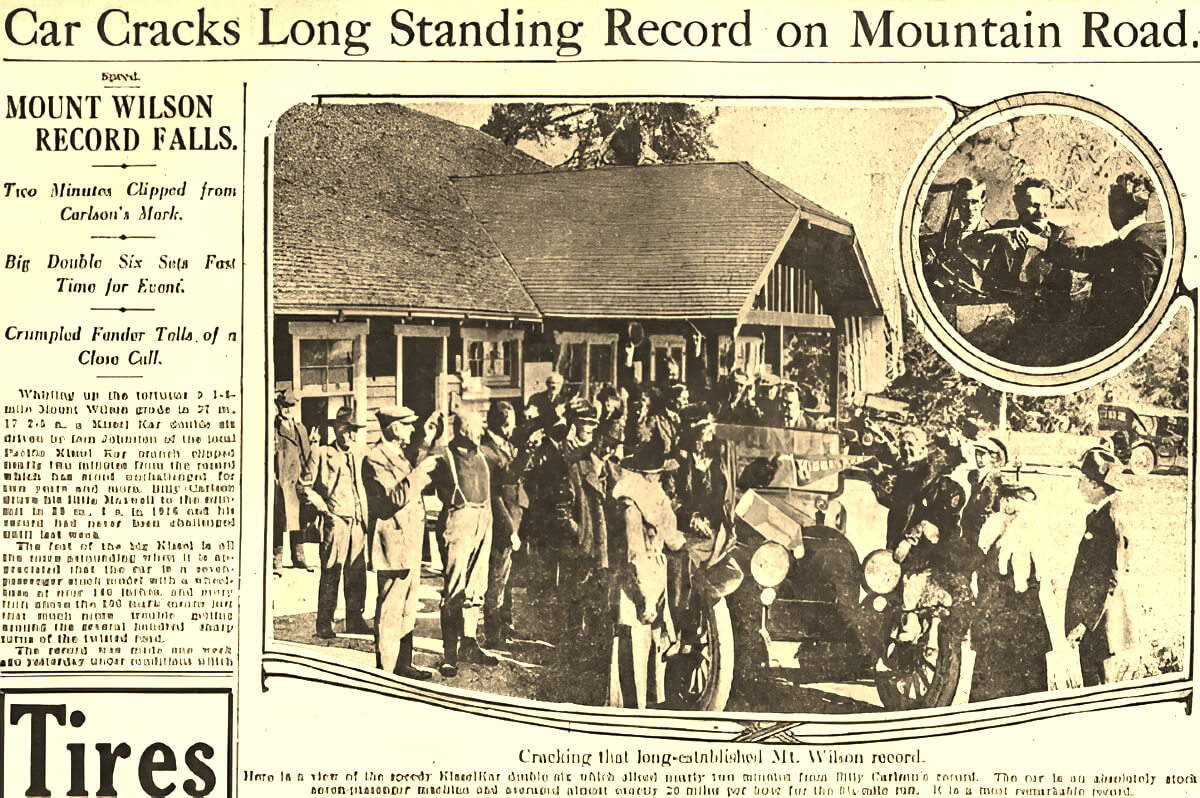
Kissels also did very well in competition, winning a torturous cross-desert race by more than two hours and a long hillclimb by more than two minutes from the nearest rival.
A small number of right-hand-drive Kissels were originally sold in Australia from the mid-to-late 1920s, some of them later repatriated or collected by international enthusiasts.
Even after Kissel went into receivership in the United States in 1930 due to the onset of the Great Depression, advertisements and remaining stock continued to circulate in Australia for a short time
The right-hand drive export models had unique configurations, among them the accelerator pedal positioned between the clutch and brake pedals.
New Zealand got some Kissel fire trucks but South Africa, another far-flung potential market, is not known to have had any actual deliveries. Nor are any known to have reached India.
As well, the car was super-expensive at about £1100 in those tough post-WW1 times.
Sadly, things did not end well for the founder of the great Kissel brand.
Louis C. Kissel died on August 28, 1908 in Milwaukee, Wisconsin – murdered by a lunatic.
His killer, identified as John Gerbier, spent the rest of his life in Waupun Hospital for the Criminally Insane.
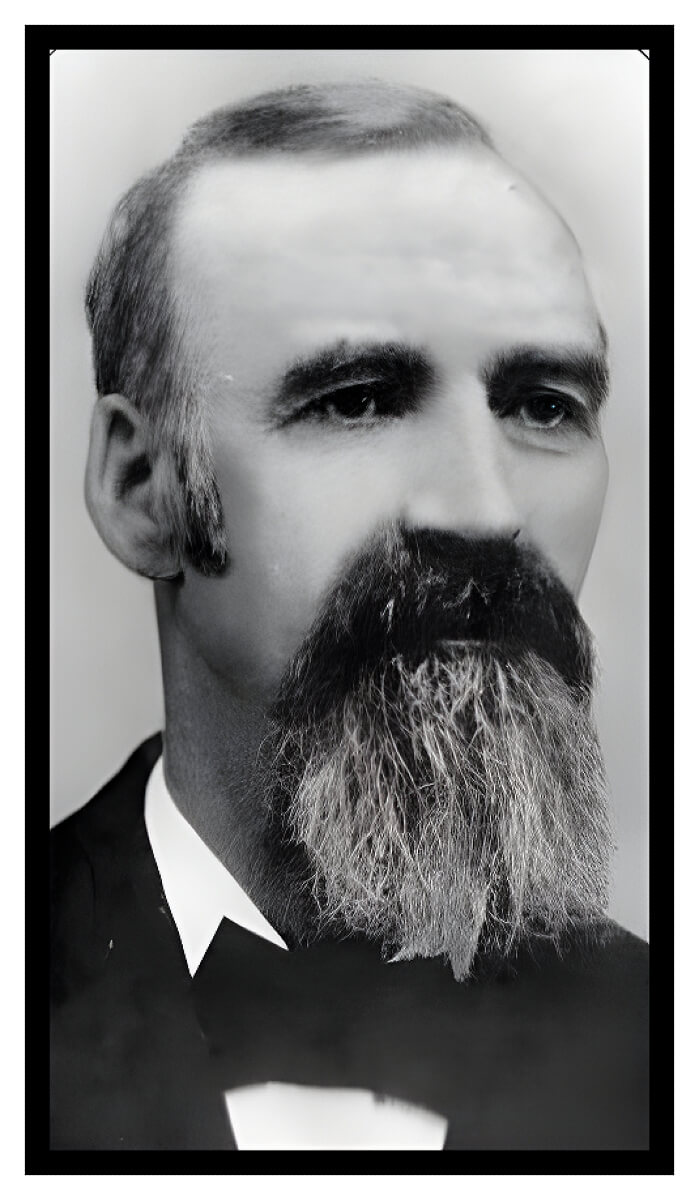
Louis C. Kissel (1839-1908)
CHECKOUT: Rubber city reclaimed by Amazon jungle
CHECKOUT: Brett Lunger: The champion’s champion